
Guide
How Glendale's Heat and Housing Age Wear Out Garage Door Springs
Glendale homes built mostly between 1979 and 2007 face steady desert heat that shortens spring life. Here's how the season and the housing stock here interact.
Local detail
Season by Season
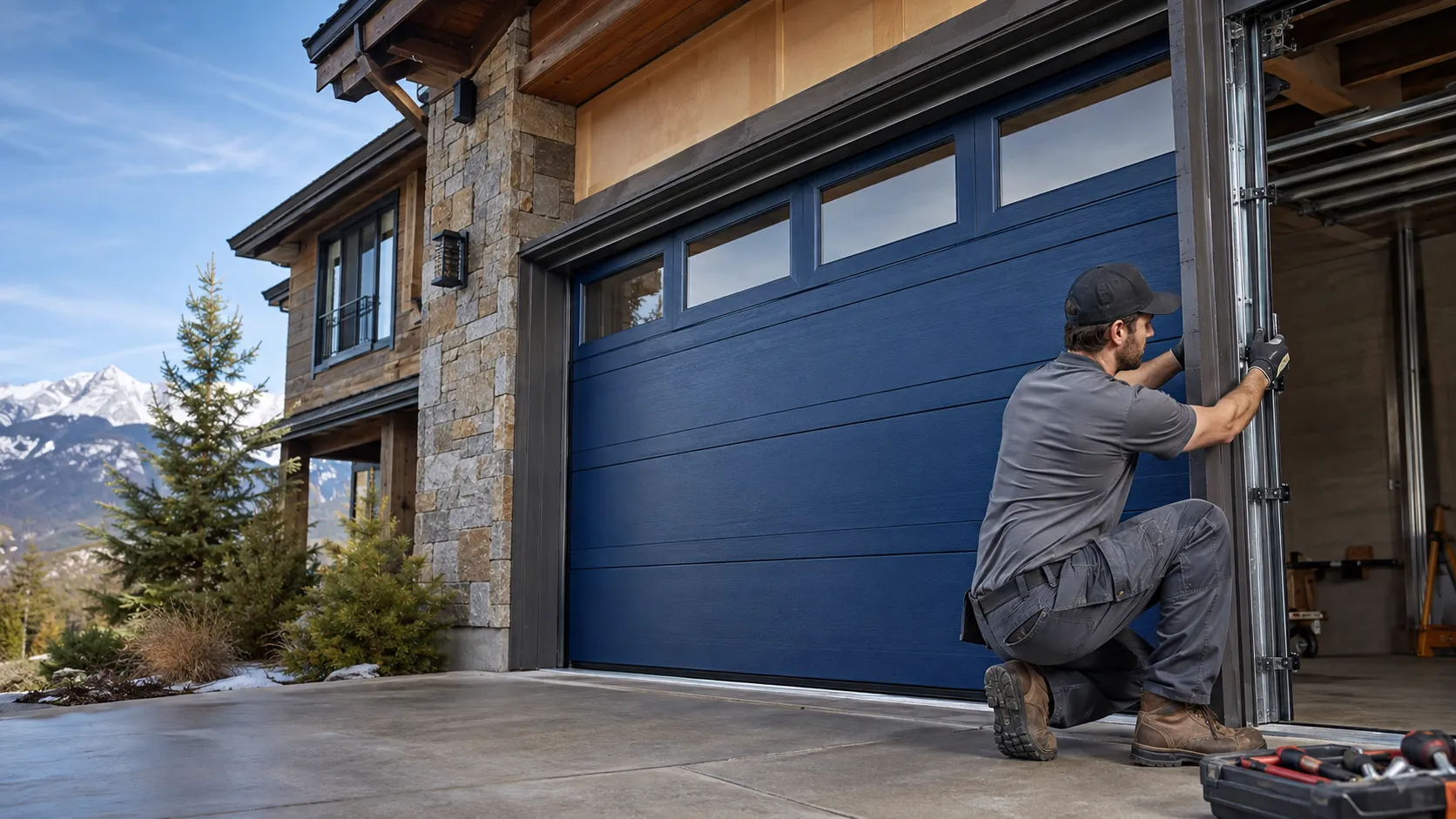
Glendale sits in a severe-heat climate band, and that heat doesn't come and go in a week - it settles in and stays for months. A torsion spring is a piece of wound steel under constant tension, and heat speeds up metal fatigue the same way it speeds up almost every mechanical wear process. Through the hottest stretch of the year, springs that were already near the end of their cycle count tend to let go.
Garage temperatures on a west-facing door can run well above the outside air, and repeated heating and cooling of the coil accelerates the microscopic cracking that eventually snaps a spring. Openers feel it too - the drive gear and the capacitor inside the motor housing both shorten their working life faster in sustained heat than they would somewhere with a milder year-round temperature. None of this is dramatic day to day.
It shows up as a slightly louder door, a slower opener, then one morning a door that won't move at all. If your house dates from the neighborhood's main build era in the 1980s through the mid-2000s, the original hardware has likely already logged a full decade or more of this cycle, and it's worth checking before the heat picks the moment for you.
The area
When to Call Someone
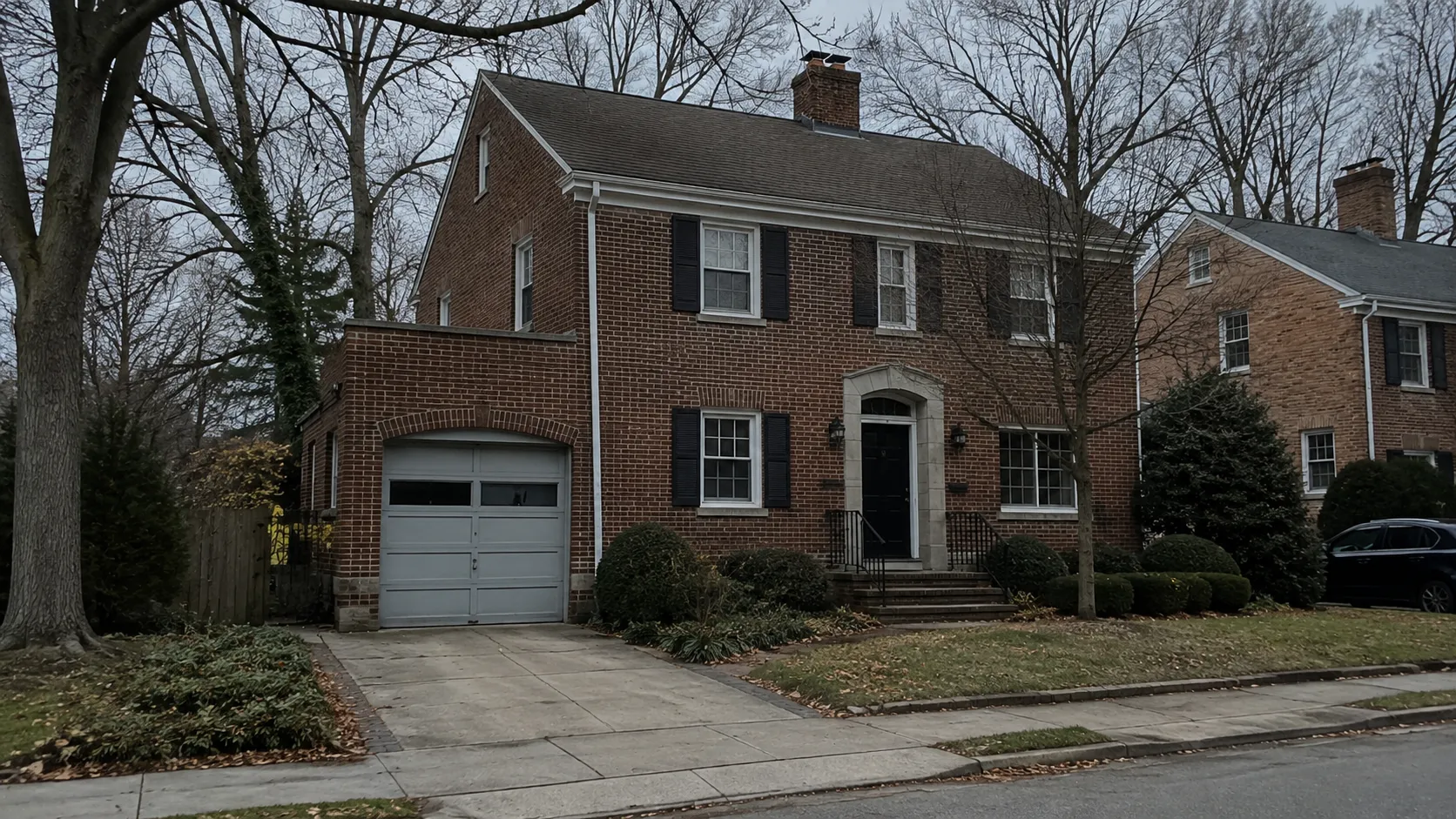
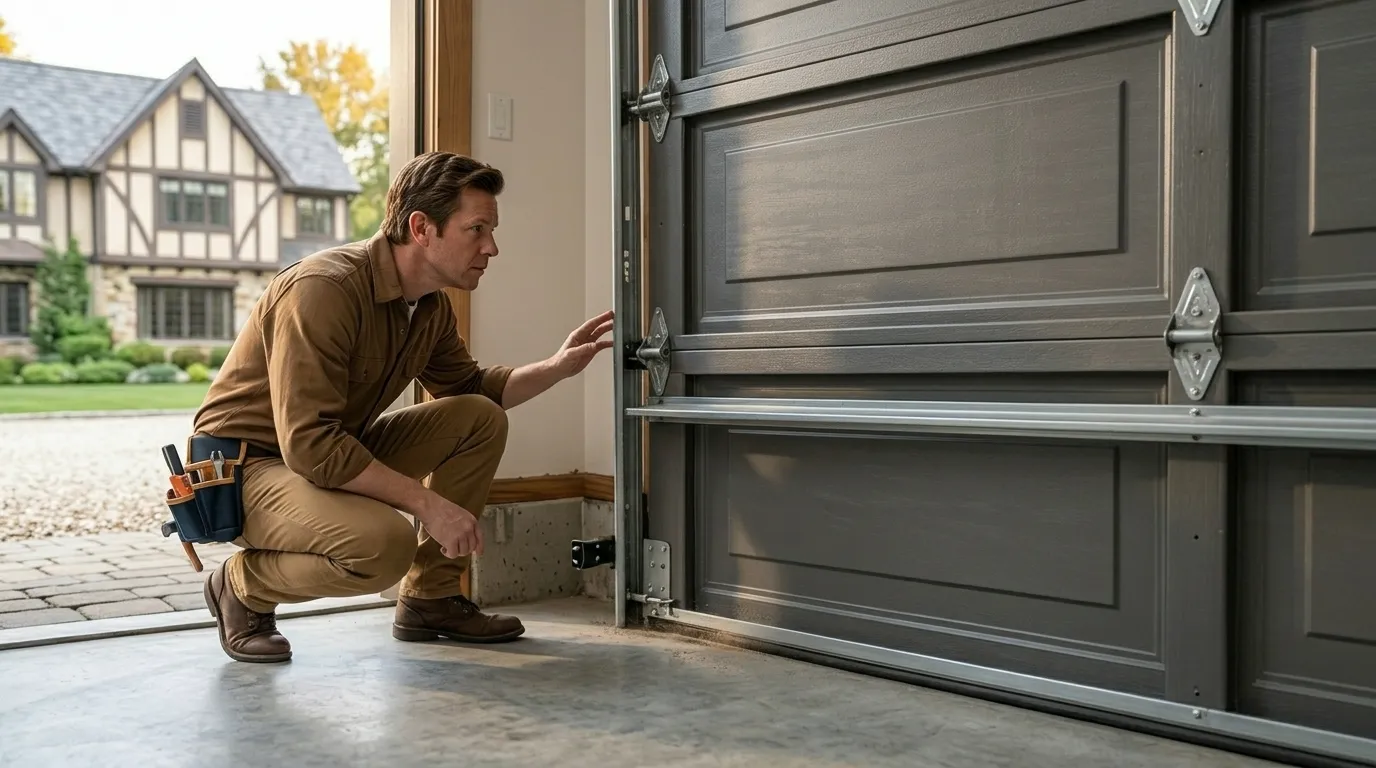
Call before the door is stuck, not after. A spring that's visibly stretched, a coil with a gap where there shouldn't be one, or a door that feels heavier than it used to when you lift it by hand - those are the warnings that precede a full break, and a full break on a double door with two springs can happen with real force. If your house was built anywhere in the 1979-2007 window that covers most of this area, and nobody has touched the springs since move-in, you're due for an inspection regardless of symptoms.
Same goes for openers: a motor that hesitates, reverses without cause, or takes two tries to trigger is telling you it's near the end, and heat exposure over two decades plus doesn't slow that clock down. One honest note - if the opener control board is an older style no longer made, we may need to replace the full unit rather than patch a single part, and that's a conversation worth having up front rather than after a truck roll.
What we find
What Is Going On
The mechanics are simple even when the failure feels sudden. Heat makes lubricant break down faster, so a spring or roller that would normally run quiet starts running dry, and dry metal on metal wears faster than lubricated metal on metal. On a torsion spring, that dry friction combines with the constant flex of daily openings to fatigue the coil from the inside out - you don't see it until the last cycle, which is the one that breaks.
Housing built across the 2000s in this area, which covers most of what's here, was framed to code standards current at the time, and garage doors from that era typically use torsion hardware on steel track rather than the older extension-spring style. That's good news for repair - torsion systems are more standardized and parts are easier to source than on some older setups - but it also means most of the doors in this area are now old enough that the original spring has done its full rated number of cycles or close to it. Add sustained heat load and that number arrives sooner than the spec sheet suggests.
How we work
How Local Conditions Play In
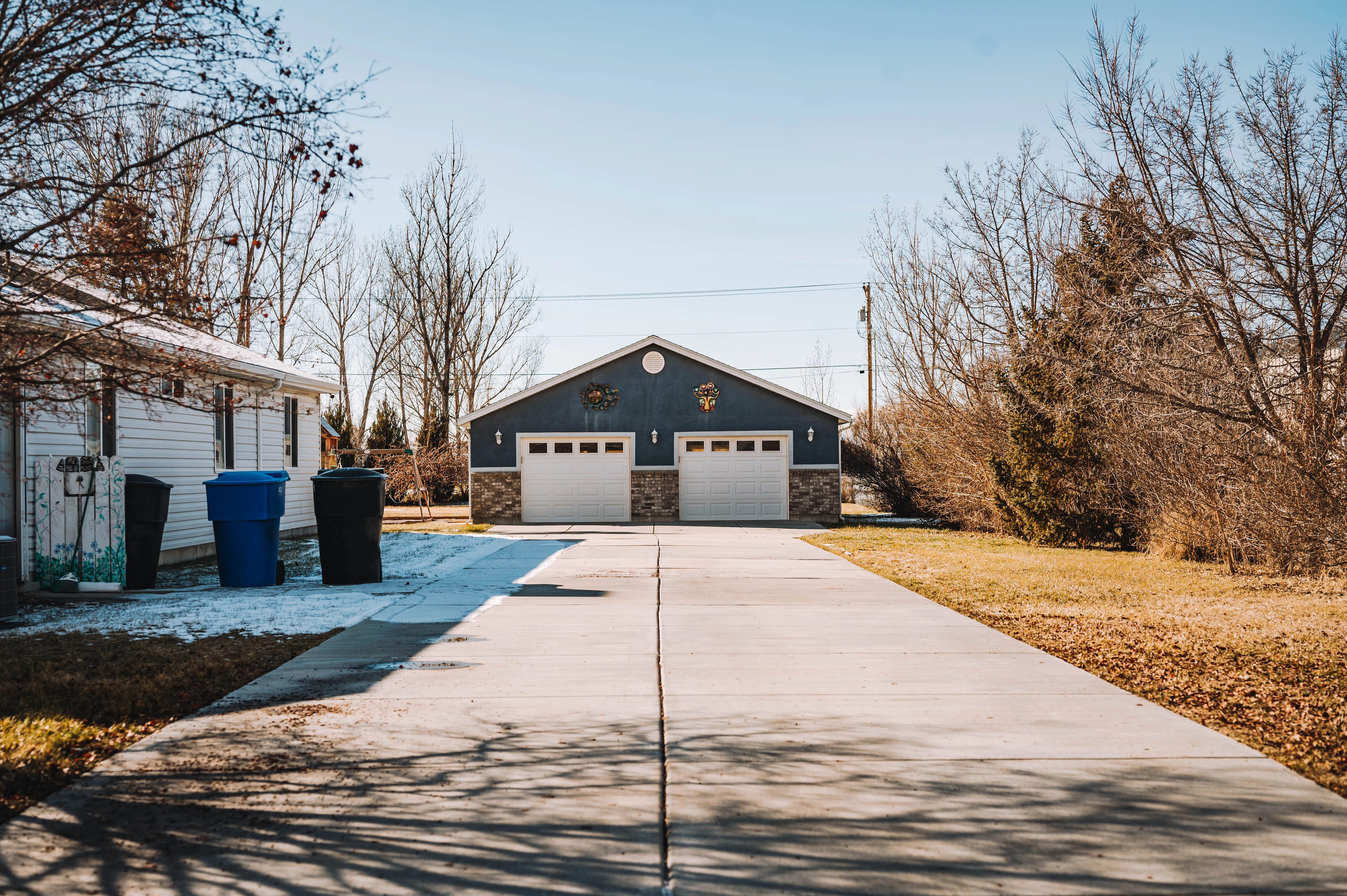
This area runs from newer pockets to houses pushing toward three decades old, with the bulk of the stock dating to the 2000s build boom across the eight main neighborhoods here. That means a lot of driveways within a few miles of each other are hitting spring-replacement age around the same stretch of years, which is part of why heat-driven failures cluster in certain seasons rather than spreading evenly across the calendar. With roughly 44,500 owner-occupied houses in the surrounding service area and a median household income a bit above $71,000, most owners here are weighing a straightforward repair against a full door replacement rather than treating either as automatic - and that's usually the right instinct.
A single spring swap on a door that's otherwise sound is a different job, and a different cost, than replacing a door whose panels and track are also failing from the same age and heat exposure. We look at the whole door, not just the part that broke, before we tell you which one you're actually facing.
Questions
Common questions
Why do springs break more in summer here?
Sustained heat breaks down lubricant faster and speeds up metal fatigue in the coil, so a spring already near the end of its cycle count is more likely to fail during the hottest stretch of the year than during a mild one. It's wear that was already happening, just accelerated.
My house was built in the early 2000s - is the door original?
Most homes in this area were built between 1979 and 2007, with the bulk from the 2000s. If nobody has replaced the spring or opener since the house was built, it's very likely original hardware and worth an inspection, especially heading into the hot months.
Is it cheaper to repair or replace an old opener?
Depends on the unit. If the control board is an older style that's no longer made, replacing the whole opener can end up being simpler and more reliable than trying to source a matching part for a repair.
Do torsion springs fail without warning?
Usually there's a warning if you know what to look for - visible gaps in the coil, a door that feels heavier to lift by hand, or new noise on open and close. The final snap can be sudden, but the wear that leads to it isn't.
Ready when you are
Need a garage door sorted in Glendale?
Glendale Garage Door Co repairs and installs garage doors, springs and openers in Glendale, AZ and the surrounding area.