Guide
What Happens During a Glendale Garage Door Service Call
In Glendale, AZ, a service call checks springs, tracks, and openers against 2000s-era construction and severe summer heat across the metro's west side.
Local detail
Season by Season
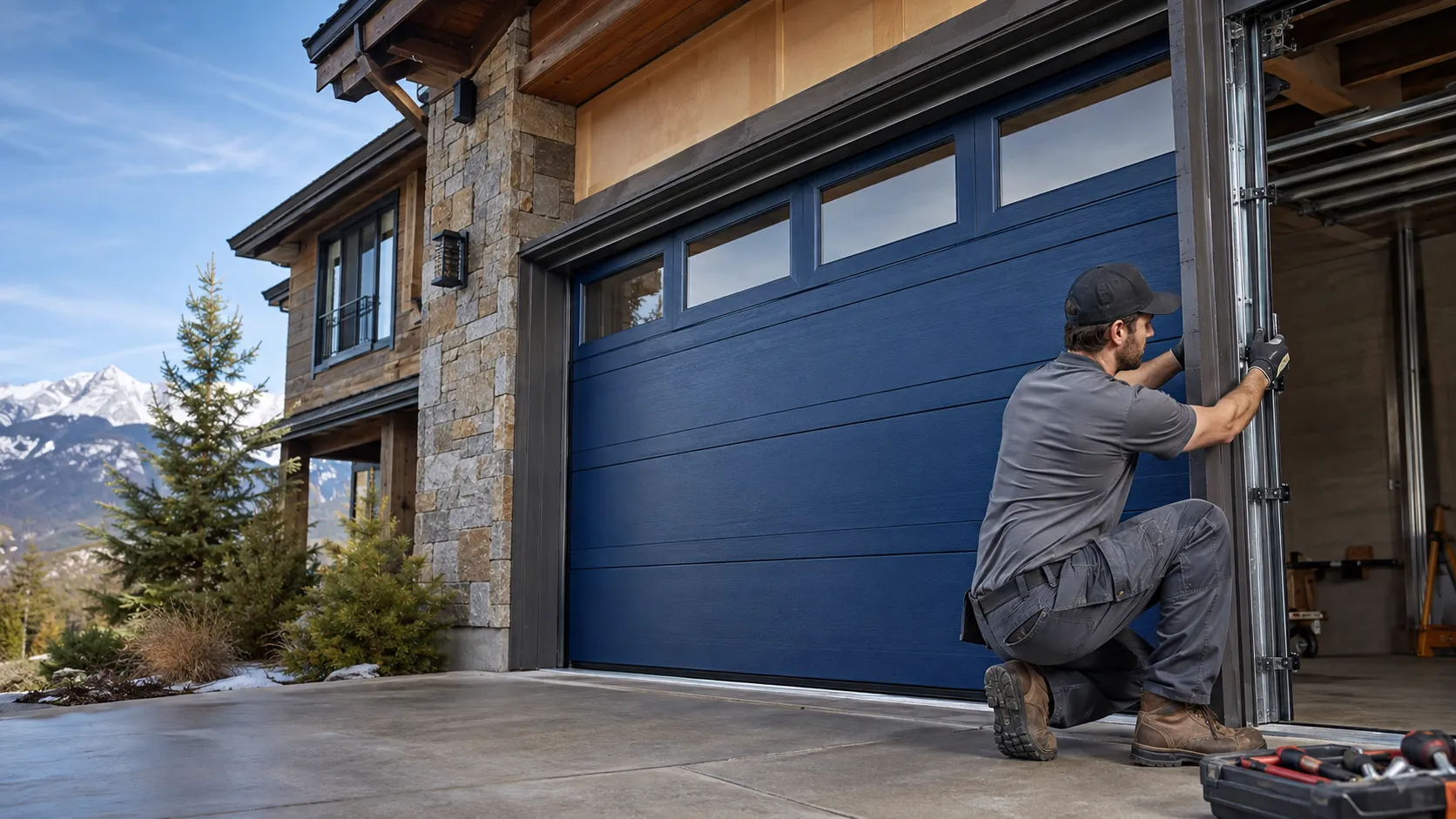
Glendale sits in a severe-heat climate band, and that shapes what breaks and when more than any calendar season does. Through the hottest stretch, garage temperatures climb well past what the door and opener were built to sit in all day, and that heat is what dries out lubricant on rollers, hinges, and the torsion spring shaft faster than a maintenance sticker suggests. Steel expands, nylon gears in cheaper opener units get brittle, and photo-eye sensors mounted low on the track can drift out of alignment as the slab and framing shift slightly with the heat. We don't see the freeze-crack issues a colder-climate company would call routine, because that's not the weather here.
What we do see is heat fatigue: springs that lose tension early, openers that start straining on the last few inches of travel, and weatherstripping that turns stiff and cracks along the bottom seal. None of this shows up as a dramatic failure most of the time. It shows up as the door getting a little louder, a little slower, a little more likely to reverse on its own - months before the spring actually lets go.
The area
When to Call Someone
Call before the door stops working, not after. A torsion spring that's visibly stretched or has a gap in one of its coils is close to done, and running it that way just turns a spring job into a spring-plus-cable job. Same with an opener that's started making a grinding sound on the way up - that's usually the gear set, and it's cheaper to replace at the first grind than after it seizes and takes the drive belt or chain with it.
One honest limit: if a door is more than a couple decades old and the opener, springs, and rollers are all failing around the same time, we'll tell you when replacement is the better math instead of stacking repairs on a door that's simply worn out. A same-day rattle or a door that's a little slow to close usually isn't an emergency. A door stuck open, a spring that's already snapped, or cables that have jumped the drum - those are calls you make right away, because a door under that kind of load is a hazard to anyone standing near it.
What we find
What Is Going On
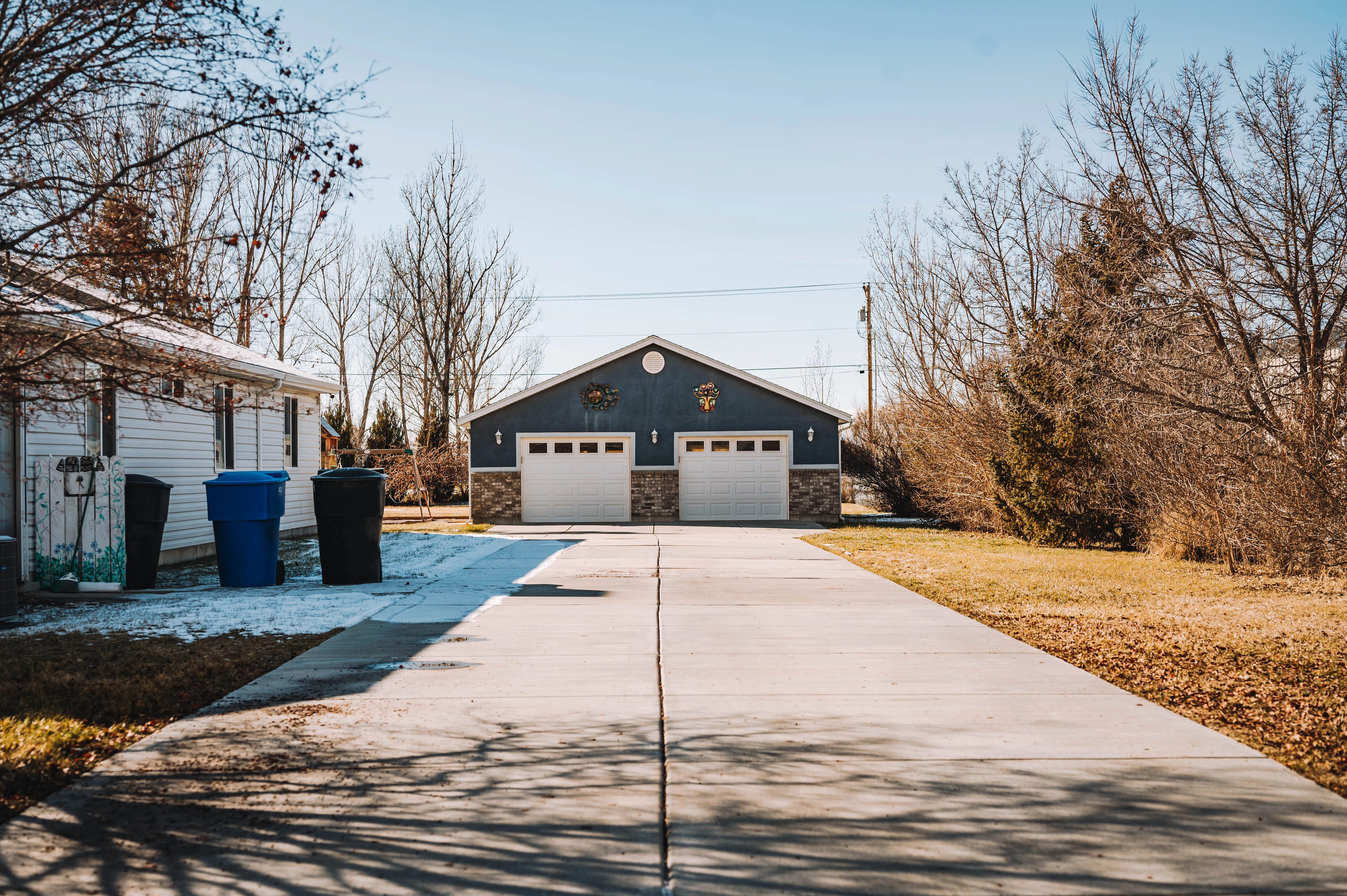
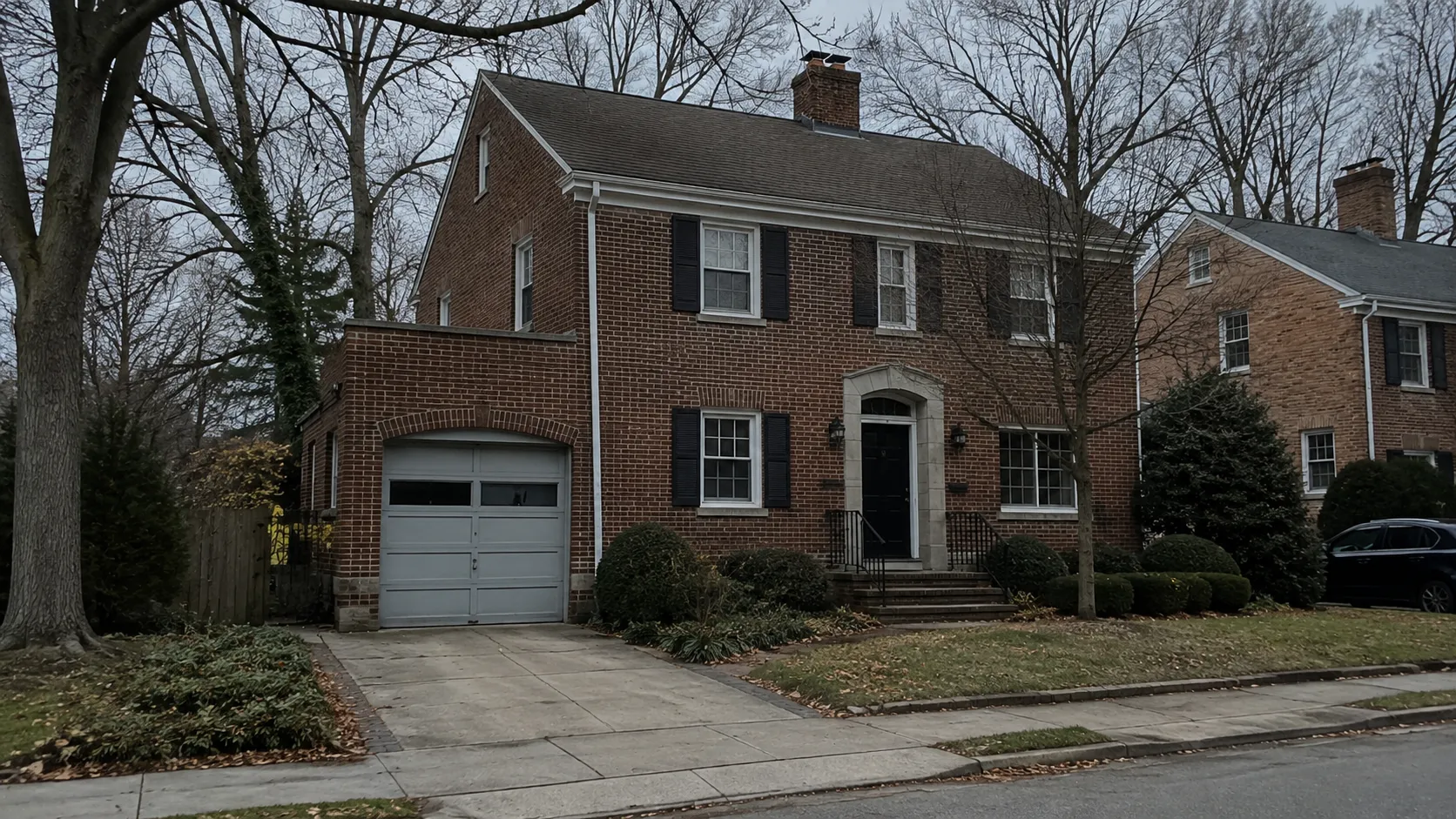
A big share of the housing stock a Glendale service call runs into went up between 1979 and 2007, with the median build landing around 2001 - that's what F1 and F2 point to across the eight named areas that make up most of the metro's west side. That build window matters because it tells us what's actually on the door. Homes from that era were built with steel sectional doors, torsion or extension spring setups depending on the builder, and chain-drive or early screw-drive openers - not the wood carriage doors or older extension-only setups you'd find in a much older neighborhood.
So a service call here usually means checking a torsion spring system that's twenty-plus years into a rated cycle life, an opener logic board from an era before smart-home tie-ins were standard, and rollers that were nylon from the factory rather than upgraded steel. We're not guessing at a door's age from a serial number stamped somewhere obscure - the construction era tells us most of what we need to know before we even lift the panel.
How we work
How Local Conditions Play In
The service area covers roughly 69,657 households, with 44,511 of those owner-occupied, spread from areas close in like Maryvale Village four miles southwest and Grandview four miles east-southeast, out to Sun City West fourteen miles off and St. Johns at sixteen. Tolleson sits seven miles out, Litchfield Park ten, El Mirage nine - all pulling from that same 2000s-era construction wave, so the parts and failure patterns repeat block to block regardless of which direction we're driving.
Median household income across the area runs $71,618, which tends to track with owners who want a repair done right the first time rather than the cheapest patch, and who are usually replacing an opener with a comparable mid-range unit rather than the bottom or top of the line. None of that changes the physics - heat is still the dominant stress on these doors - but it does mean a service call here is answering to a fairly consistent set of homes rather than a scattered mix of eras and builds.
Questions
Common questions
How often should I get my garage door serviced in Glendale?
There's no fixed number we can back with data, but given the severe heat band here, checking spring tension and opener travel limits once a year catches most heat-driven wear before it becomes a breakdown. Homes from the 2000s building wave are now old enough that original springs and opener gears are due for inspection regardless of how they look.
Why does my opener sound louder in summer?
Heat softens grease and can make plastic gears inside the opener unit expand slightly, which shows up as extra noise on the drive. It's common in the severe-heat conditions here and worth a look before the gear actually strips.
Is it worth repairing an old opener or just replacing it?
Depends on what's failing. If it's just the logic board or a sensor, repair usually makes sense. If the opener and the springs are both original to a 2000s-era build and both are failing, replacement is often the better spend - we'll tell you straight which situation you're in.
Do you cover areas outside Glendale itself?
We work across the surrounding area, including places like Tolleson, Youngtown, El Mirage, and Litchfield Park, along with in-town areas such as Maryvale Village and the Sports and Entertainment District.
Ready when you are
Need a garage door sorted in Glendale?
Glendale Garage Door Co repairs and installs garage doors, springs and openers in Glendale, AZ and the surrounding area.