
Guide
Openers, Power Cuts, and What Glendale Houses Are Dealing With
How Glendale's severe heat and 2000s-era housing stock affect garage door openers during power cuts, and what actually needs a service call.
Local detail
Season by Season
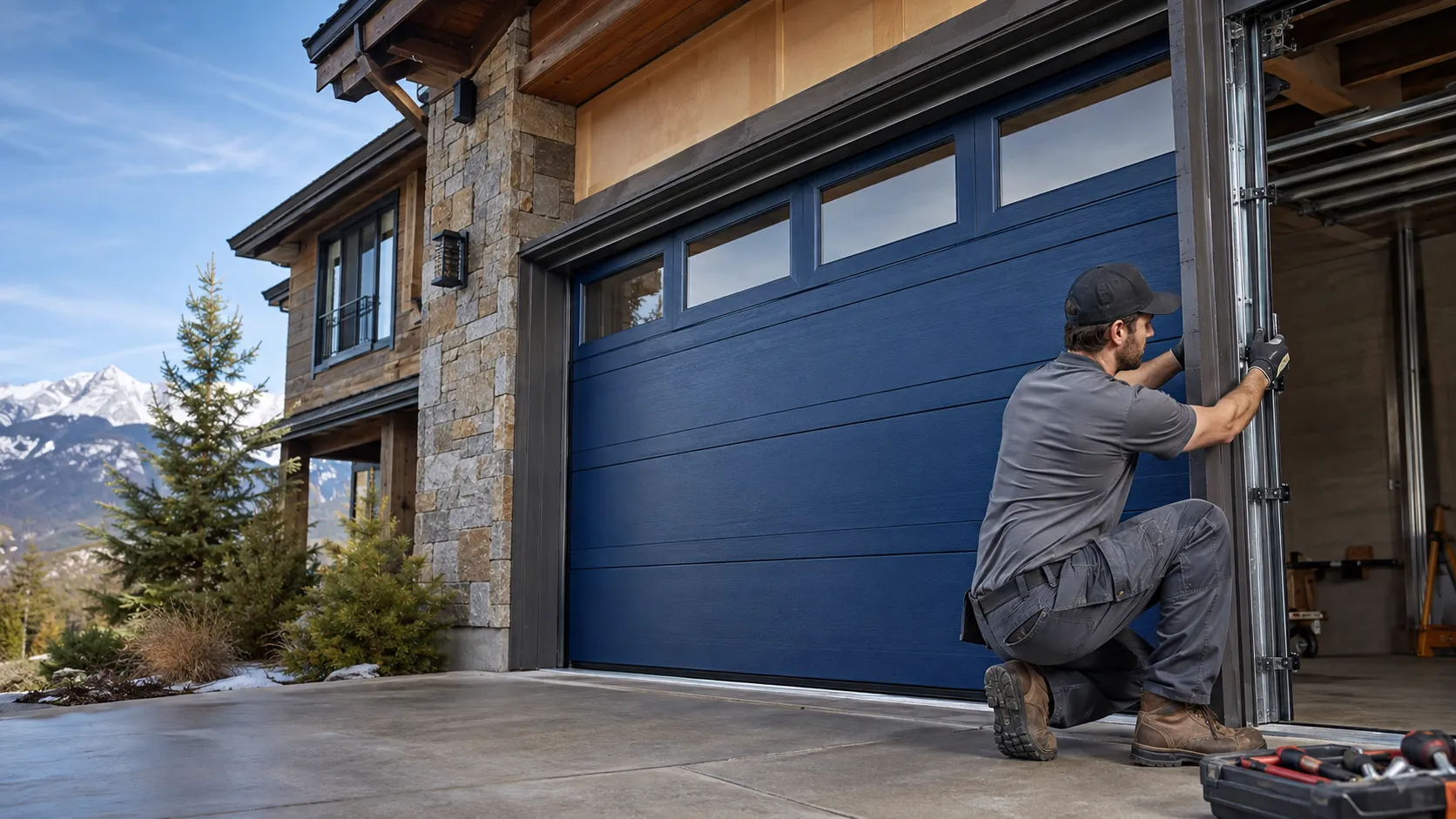
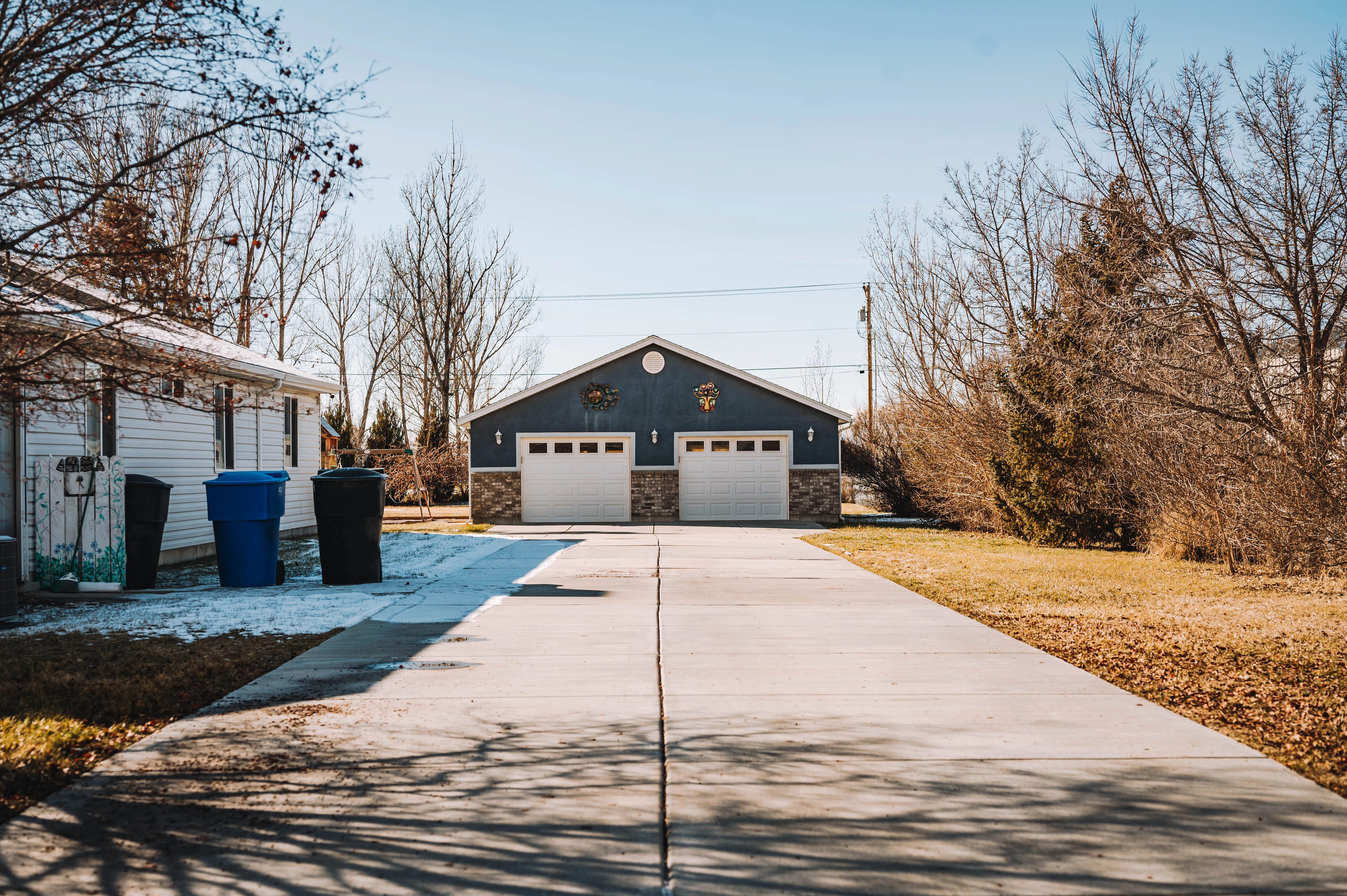
Glendale doesn't have a mild season for garage door openers. The severe heat band this area sits in means the motor housing on a wall-mounted or ceiling-mounted opener spends months absorbing radiant heat off the garage door itself, especially on doors with dark exteriors facing west. Most of the housing stock here went up between 1979 and 2007, with the median build year around 2001, so a large share of openers in this service area are either original units nearing or past their expected service life, or first-generation replacements installed when the house was still fairly new.
Summer is when we see the most opener calls, not because the equipment breaks in a dramatic way, but because heat-soaked circuit boards and capacitors fail quietly, usually during the hottest stretch of the afternoon when the AC load on the grid is also highest. Cooler months bring fewer calls overall, but that's also when people finally notice a door that's been running rough all summer and decide to deal with it before next year. There isn't a real spring or fall lull here the way there might be somewhere with four actual seasons - it's more like a long hot stretch and a shorter break from it.
The area
When to Call Someone
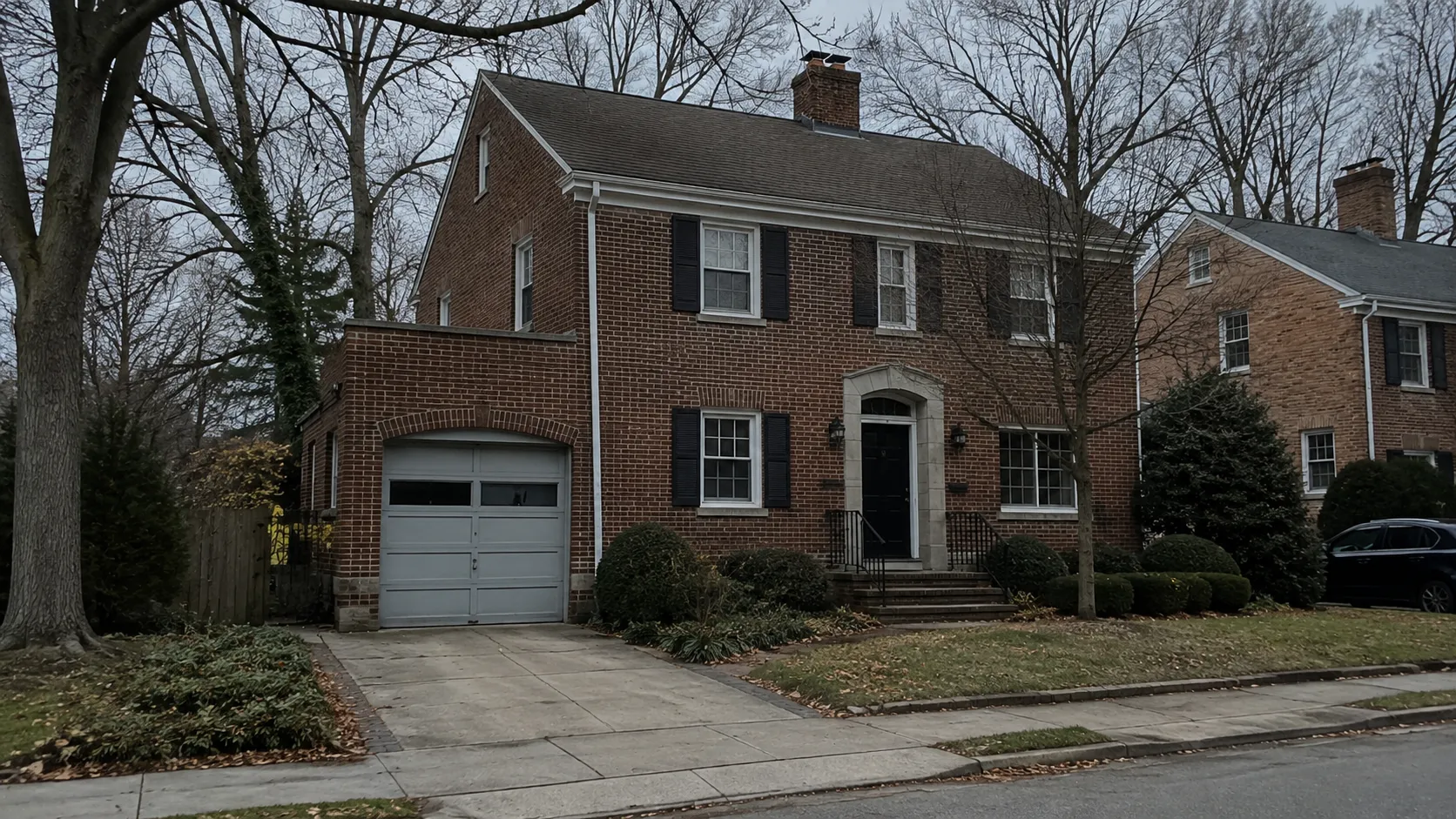
If the opener won't respond at all during a power cut, don't assume it's the opener - check whether the outage is why it's not moving in the first place, since most residential openers have no battery backup unless one was added later. If power is on and the opener hums but the door doesn't move, or moves partway and reverses, that's worth a call rather than a repeat attempt, especially on a house built before the mid-1990s where the opener may be original equipment nearing 25-plus years old.
A door that opens fine in the morning but struggles by mid-afternoon, when garage temperatures climb, points to heat-related strain on the motor or logic board rather than a mechanical problem you can fix by lubricating something. One honest limit: if your opener is original to a house built in the late 1970s or 1980s, we're not going to spend a service call chasing parts for a board that isn't manufactured anymore - replacement is usually the straighter path, and we'll say so upfront instead of billing for a diagnosis that ends the same place.
What we find
What Is Going On
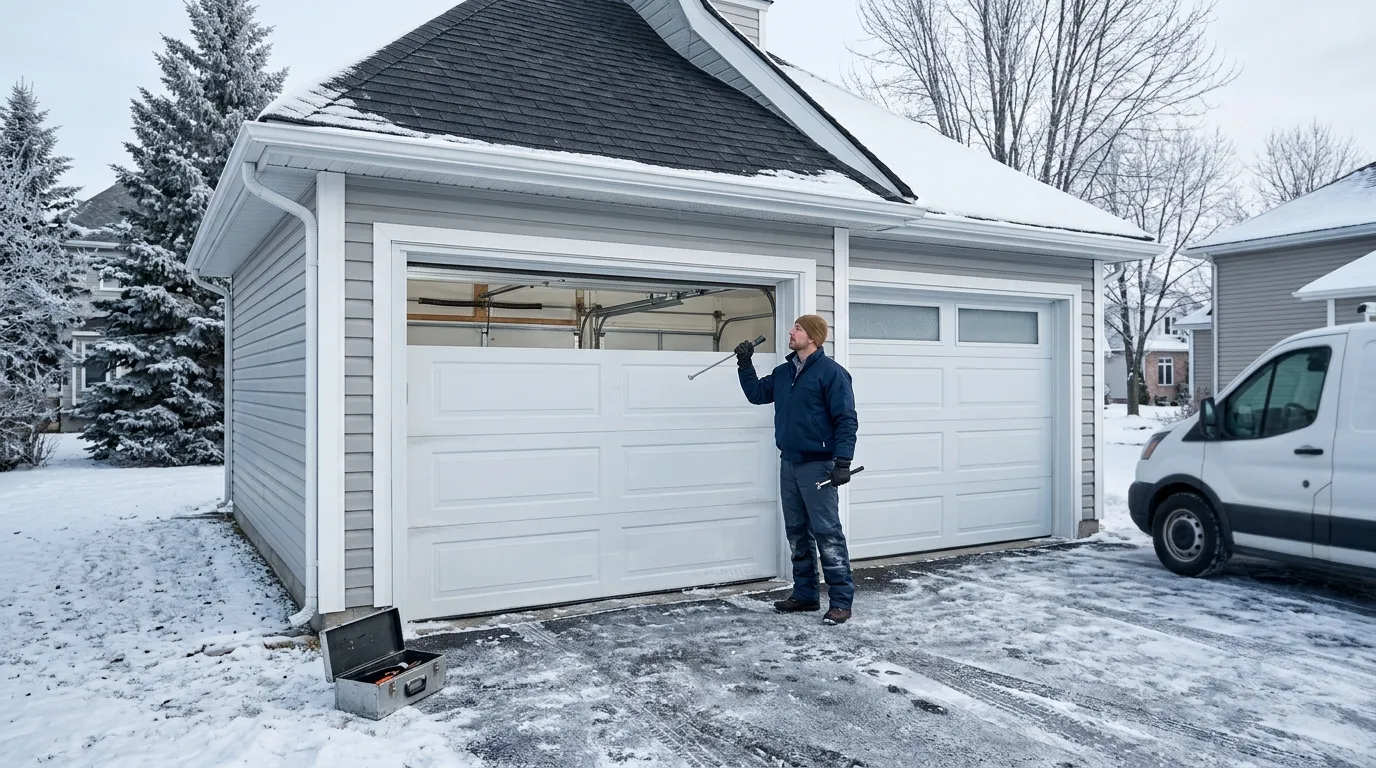
Across the eight named areas that make up most of Glendale's 2000s-era housing stock, openers tend to fail in one of two ways: the logic board cooks from sustained heat exposure, or the drive mechanism (chain, belt, or screw) binds because the garage itself runs hotter than the rated operating range printed on the unit. Power cuts complicate both.
A short outage rarely damages an opener on its own, but a power cut followed by a voltage surge when service is restored is a real stressor on a board that's already heat-fatigued from years in a Glendale garage. With roughly 44,511 owner-occupied houses in the service area and a median household income of $71,618, most of what we see is straightforward replace-versus-repair math: a board swap on a unit under ten years old is worth doing, while the same repair on a heat-degraded original from the early 2000s often costs close to half of a new opener anyway.
How we work
How Local Conditions Play In
The severe heat classification for this area isn't just a number on a chart - it's the reason garage-mounted openers here work harder than the same model would in a milder climate. Garages without insulation or ventilation trap heat well past sunset, so an opener doesn't get the overnight cooldown that would let a marginal board limp along another season.
Combine that with housing stock concentrated in the 2000s across the named areas here, and you get a large cluster of openers reaching the age where heat-driven failure becomes likely all around the same few years, not spread evenly over time. That's a pattern specific to how this area was built out - a lot of houses going up in a fairly tight window means a lot of original openers aging out in a fairly tight window too.
Questions
Common questions
Does a power cut damage my garage door opener?
A short outage on its own usually doesn't hurt the opener. The risk is a voltage surge when power comes back on, which is harder on a board that's already been running hot for years in a Glendale garage. If the opener acts up right after an outage, that's worth checking rather than ignoring.
Why does my opener only act up in the afternoon?
That's a heat pattern, not a coincidence. Garages here run hot enough in the severe heat band this area sits in that a logic board or capacitor can work fine in the morning and struggle once the garage heats up in the afternoon sun.
Is my opener too old to repair?
If it's original to a house built in the late 1970s through 1980s, parts are often unavailable and replacement makes more sense than chasing a repair. For openers from the 2000s-era stock common in this area, a board or sensor repair is usually still worth doing.
Should I add battery backup because of power cuts?
That's a reasonable question for this area given how often summer heat strains the grid, but it depends on your specific opener model and whether it supports a backup unit. We can look at what you have and tell you straight whether it's compatible.
Ready when you are
Need a garage door sorted in Glendale?
Glendale Garage Door Co repairs and installs garage doors, springs and openers in Glendale, AZ and the surrounding area.