
Guide
Is Your Glendale Garage Door Worth Repairing, or Time to Replace?
Most Glendale garage doors date to the 1979-2007 building boom, and Arizona heat ages springs and openers fast. Here's when a repair still makes sense.
Local detail
Season by Season
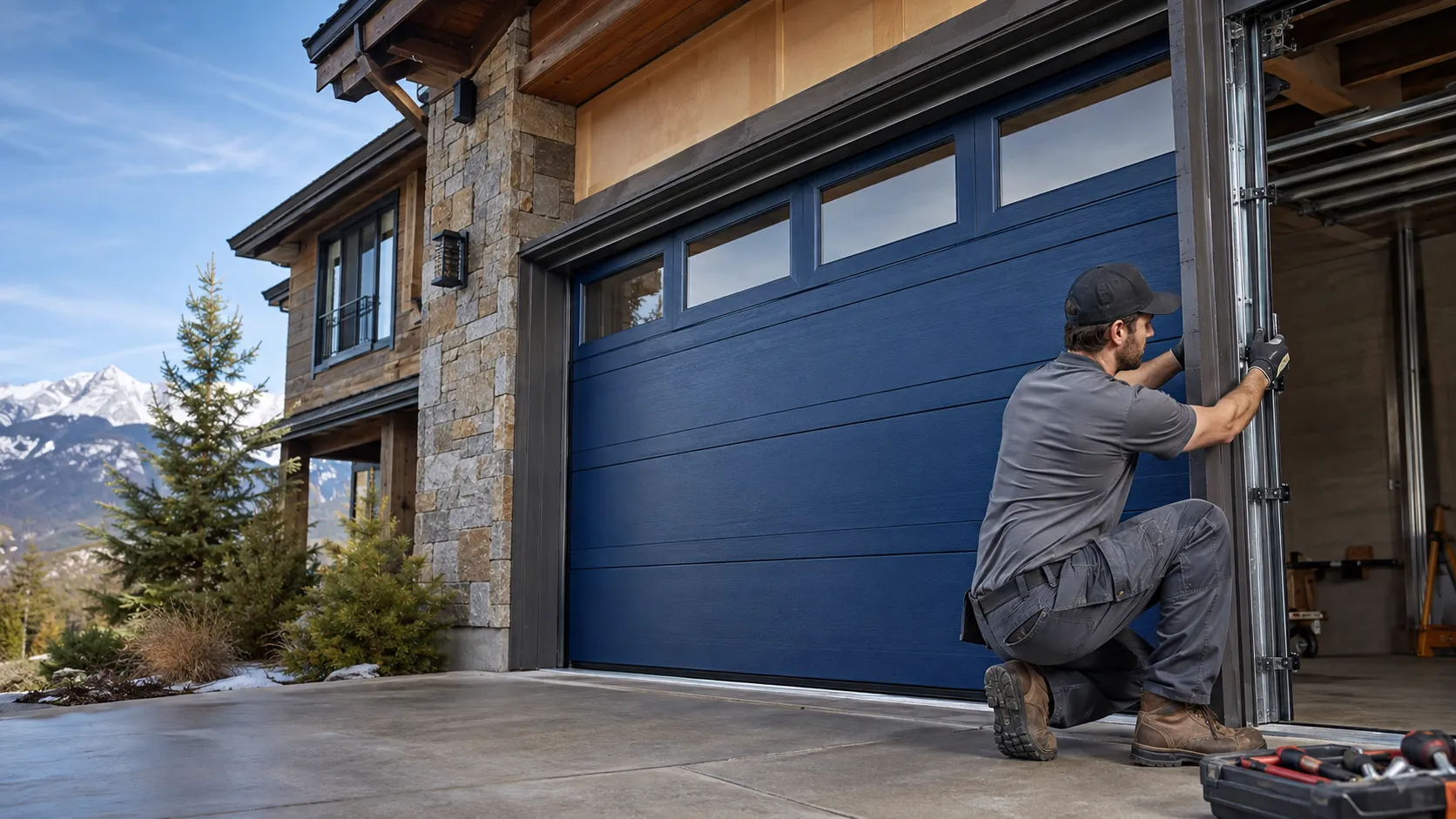
Glendale sits in a climate band rated severe for heat, and that's the single biggest thing working against a garage door here. Summer doesn't just make the garage hot - it cycles the whole assembly through expansion and contraction every single day for months. Steel tracks flex, lubricant on rollers and hinges cooks off faster than the label says it should, and torsion springs lose tension faster than they would in a milder climate. Opener circuit boards mounted in an uninsulated garage take the same beating; heat is harder on electronics than cold is.
None of this is dramatic - no single day breaks anything - but it's cumulative, and it's the reason a door that would coast along for another decade somewhere cooler starts showing real wear here on a shorter clock. If your door was installed anywhere near when most of the neighborhood was built, factor in that it's already logged more heat cycles than its rated lifespan assumed. That's the math behind most of the spring and opener calls we get, regardless of the season the failure actually happens in.
The area
When to Call Someone
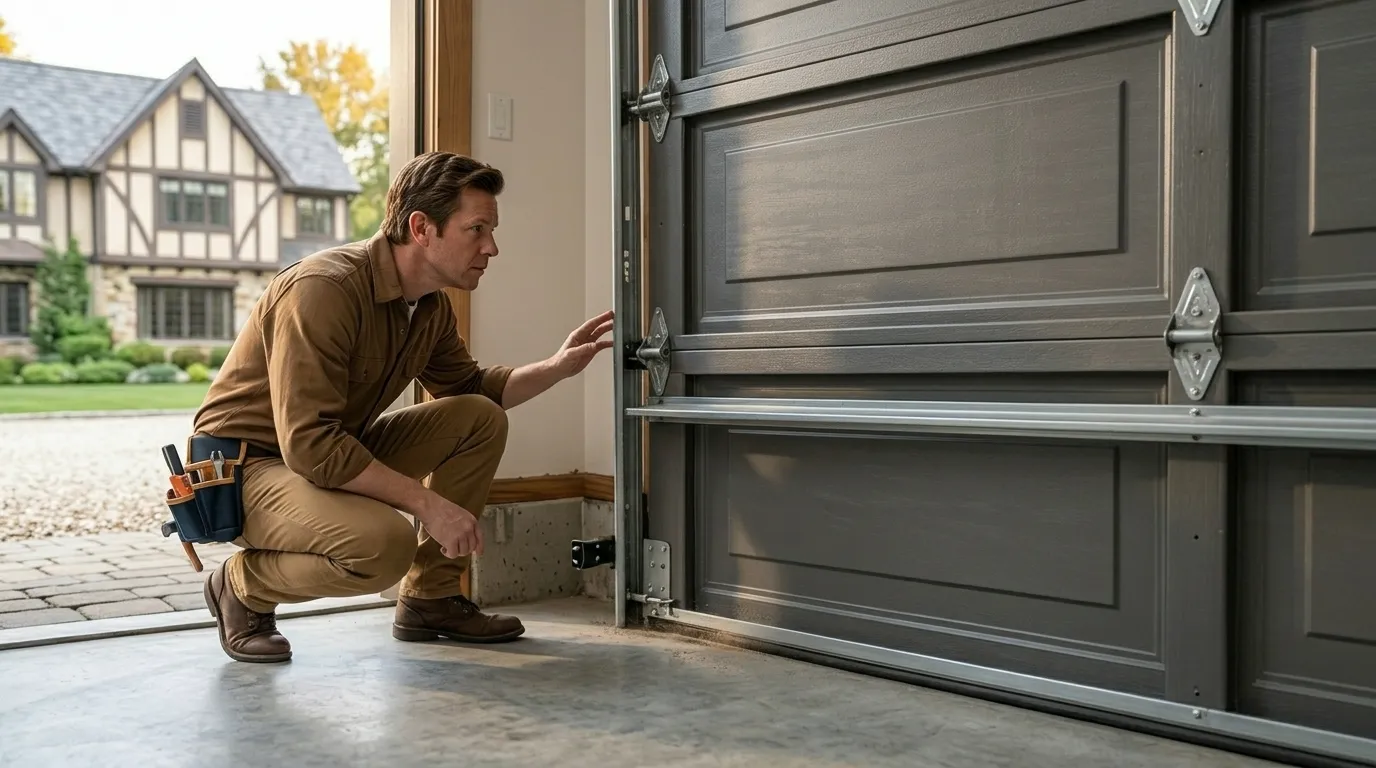
Call before the door fails all the way, not after. A door that's slow to open, that shudders partway up the track, or that the opener strains against on the first foot of travel is telling you a spring has lost tension - and on a door from the 1979-2007 building era, that spring has likely been doing that job for a long time already. Cables fraying at the bottom bracket, a track that's visibly pulled away from the wall, or an opener that reverses for no reason are also not wait-and-see problems.
A door that's stuck shut with a car trapped behind it is the one that costs the most because it's now urgent instead of scheduled. The signs are almost always there for weeks before the failure - a groan on cold mornings, a slight tilt when it closes, a spring that looks stretched rather than coiled tight. Catching it at that stage is the difference between a spring swap and a full teardown because a cable snapped and damaged the panel on the way down.
What we find
What Is Going On
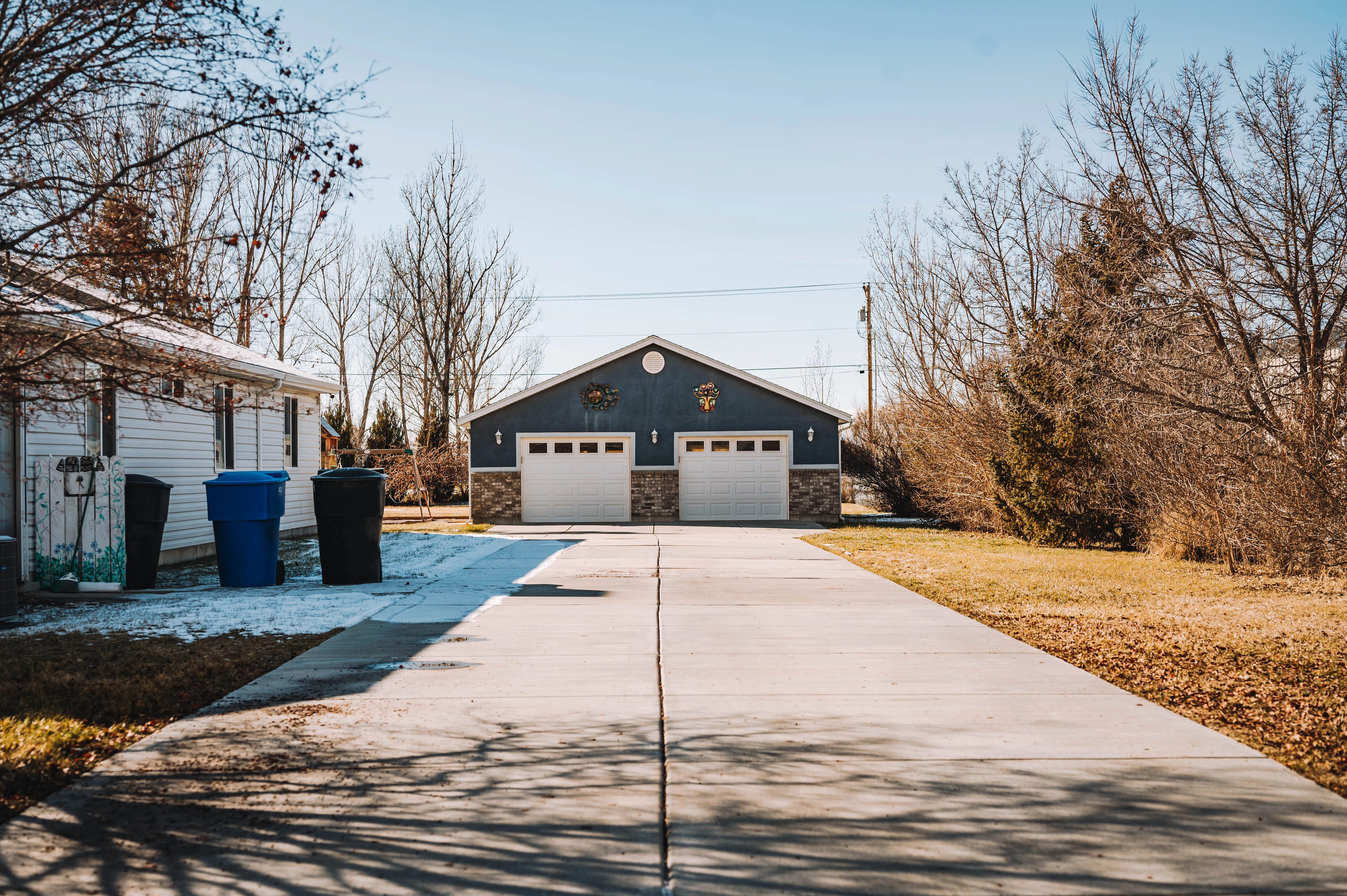
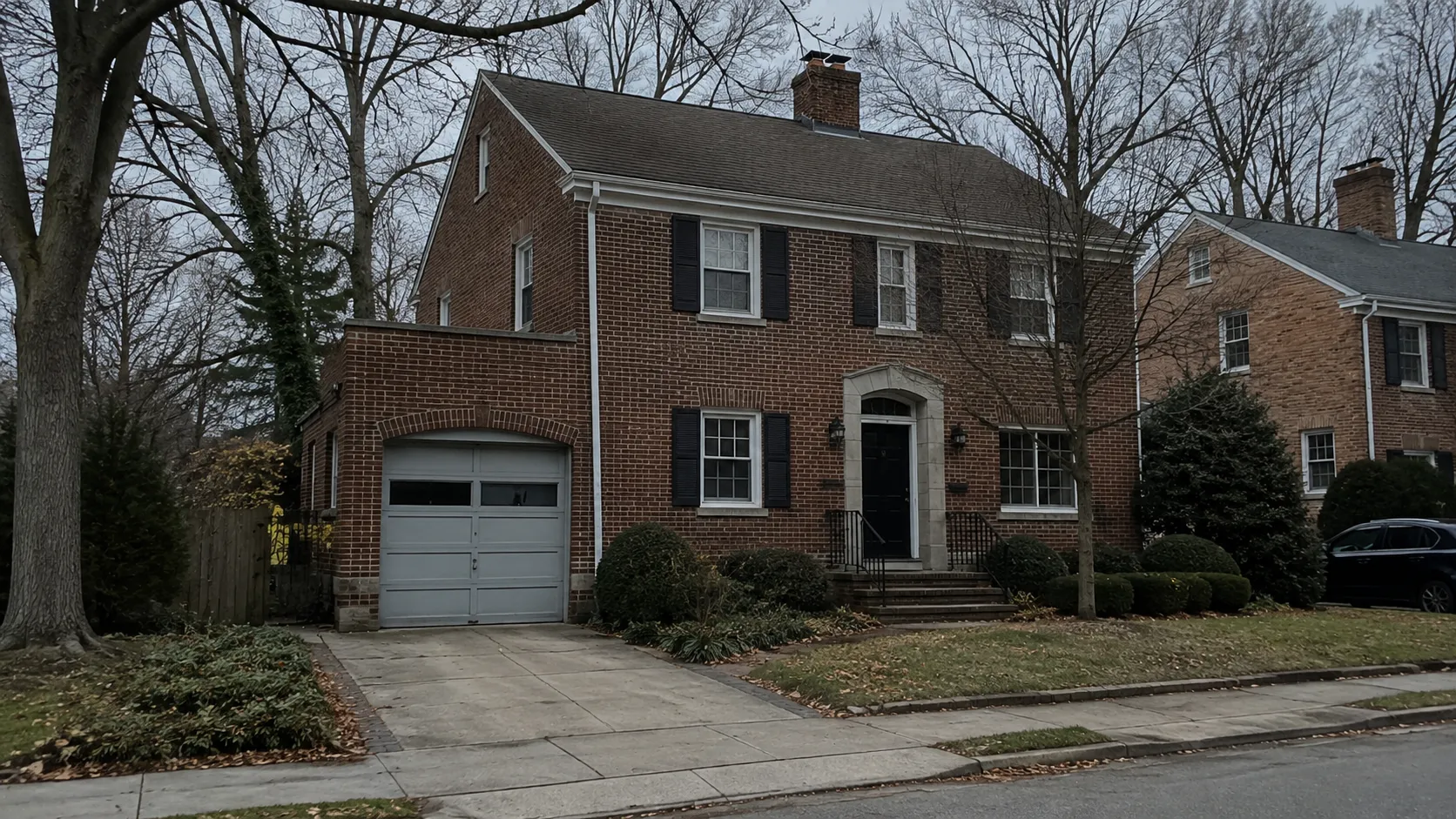
A lot of the housing stock across this service area went up between 1979 and 2007, with the heaviest concentration built out in the 2000s across the eight named areas that make up most of the market here. That means a huge share of doors in service right now are original builder-grade installs: standard torsion spring setups, steel roller tracks, openers rated for a residential cycle count that assumed a normal climate, not a severe-heat one. Builder-grade hardware from that era wasn't bad, but it also wasn't built with margin - the springs were sized to the door weight, not to twenty-plus years of extra heat-driven wear.
So what shows up now, on a door that's twenty, thirty, even over forty years old depending on when that particular block went up, is hardware running past what it was designed for. The panels themselves often still look fine; steel holds up. It's the moving parts - spring, cable, rollers, opener gearing - that are actually at the end of their working life, which is exactly why a full replacement isn't always the answer even when a repair call sounds serious.
How we work
How Local Conditions Play In
The combination that matters here is the housing age and the heat, not either one alone. A 2001-vintage door in a mild climate ages differently than the same door here. Across the areas that make up this service territory - Maryvale Village four miles southwest, Grandview four miles east-southeast, and the wider ring running out to Tolleson, Youngtown, and El Mirage - the housing stock is largely the same 2000s-era build, so the failure patterns repeat block to block: original torsion springs giving out, original openers with tired gear sets, tracks that were never re-aligned once in twenty years.
With a median household income of $71,618 across roughly 44,511 owner-occupied houses in this area, most repair-versus-replace decisions come down to whether fixing the specific failed part makes sense against the age of everything else on the door, not whether the owner can write a check either way. That's the honest calculus: a good torsion spring and a tired opener on an otherwise sound door is worth fixing. A door with a cracked panel, a stretched track, and an original spring all failing at once usually isn't - and we'll tell you that plainly instead of running up a repair bill on hardware that's on its way out anyway.
Questions
Common questions
My garage door is original to the house - is it too old to repair?
Not automatically. If the panels are sound and only the spring, cable, or opener has failed, a repair usually makes sense even on a door from the 1980s or 1990s. It's when several parts are failing at once, or the track and panel are both damaged, that replacement starts to make more financial sense than chasing repairs.
Why do garage door springs seem to fail faster here than people expect?
Glendale's climate band is rated severe for heat, and heat cycling wears torsion springs and opener components faster than a mild climate does. A spring rated for a certain number of cycles reaches that count sooner here, especially on a door that's already fifteen or twenty years past its install date.
Is it worth replacing the opener but keeping the old door?
Often yes, if the door panels and track are structurally sound. The opener and the door age independently - a solid steel door from the 2000s can easily outlast two or three openers. We'd only suggest replacing both together if the track or panels are also showing real wear.
What won't you try to fix on an older door?
If a builder-grade panel style from the earliest part of that 1979-2007 run is damaged and we can't source a matching replacement panel, we won't pretend we can patch it invisibly. At that point we'll say plainly that a full door replacement is the more honest option.
Ready when you are
Need a garage door sorted in Glendale?
Glendale Garage Door Co repairs and installs garage doors, springs and openers in Glendale, AZ and the surrounding area.