
Guide
Garage Doors Built for Glendale's Heat and Its 1980s-2000s Homes
Garage door repair and replacement for Glendale, AZ homes built 1979-2007, matched to Arizona's severe summer heat and the door hardware common to that era.
Local detail
Season by Season
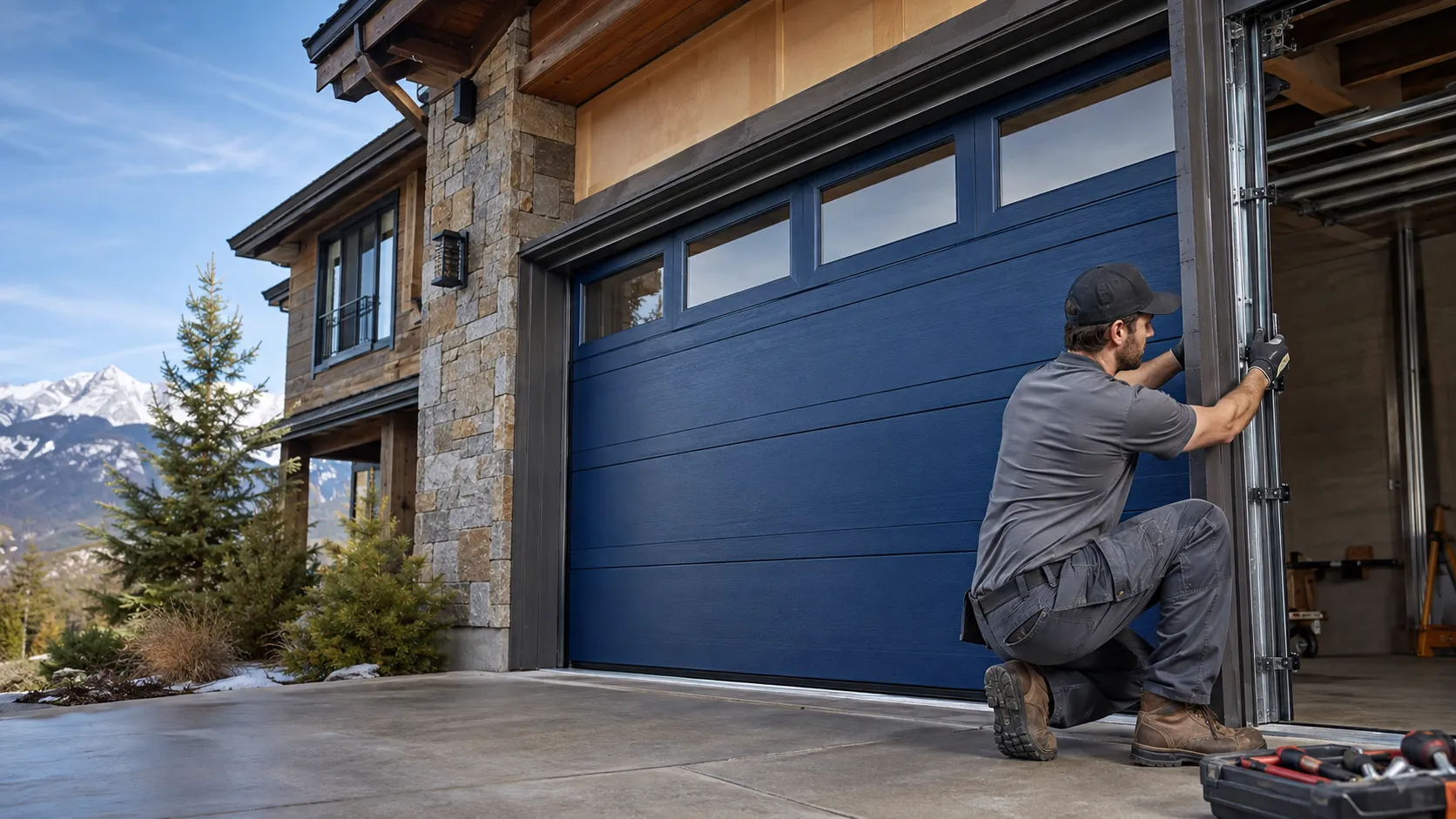
Most of the housing stock we work on here went up between 1979 and 2007, with the median build year landing around 2001, and that timeline matters more than a calendar does when you're talking about garage doors in a place with a severe heat band. Summer is the season that does the damage. Steel panels and tracks expand under sustained high heat, torsion springs lose tension faster when the garage itself sits in the 110s for weeks, and opener lubricant that would last years in a milder climate breaks down sooner. Nylon rollers and plastic gears on openers installed in the 1990s and early 2000s are past the point where heat cycling hasn't taken a toll.
Cooler months here are short and don't give the hardware much of a break before the next stretch of heat starts working on it again. We don't see the freeze-thaw problems that crack panels in colder states - that's not a Glendale problem. What we see instead is heat fatigue on rubber seals, weather stripping that's gone brittle, and springs that finally let go on a 105-degree afternoon because they were already near the end of their cycle count.
The area
When to Call Someone
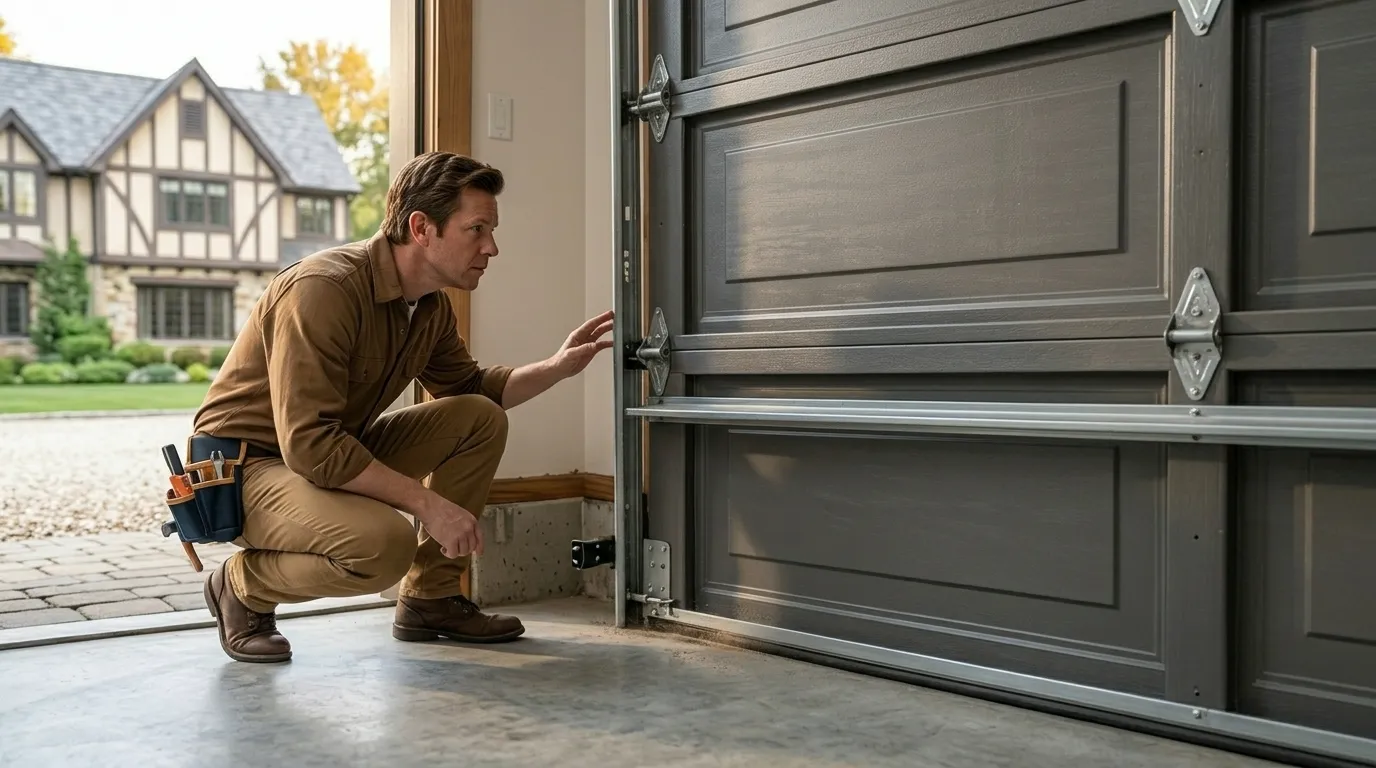
A door that's noticeably harder to lift by hand than it used to be is usually a spring losing tension, and on a house from this build era that spring has likely been cycling through Arizona summers for fifteen to twenty-five years without ever being swapped. That's worth a call before it snaps rather than after. Same goes for an opener that grinds, stutters, or reverses on its own - heat-degraded lubricant and worn gears are common on units original to homes built in the late 1990s and early 2000s.
If the bottom seal has cracked and curled away from the slab, that's not urgent, but it is a heat-and-dust entry point worth fixing before it becomes something bigger. One honest limit: if the springs, rollers, and opener are all original to a house built in the early 1980s, patching one part at a time usually costs more over a year than replacing the whole assembly once. We'll tell you that straight rather than sell you three separate visits.
What we find
What Is Going On
The service area runs mostly 2000s-built stock across the eight named areas we work in, layered over an older base of houses from 1979 through the early 1990s. That range matters because garage door insulation requirements weren't standard in residential codes when the earliest of these houses went up - doors on houses built before insulation rules were common are still single-layer steel with no thermal break, and in a severe-heat climate that single layer transfers heat straight into the garage and often into an attached room.
Houses built closer to 2001, the median year for the area, are more likely to already have insulated doors, but the opener, springs, and rollers from that same era are now old enough that heat cycling has worn them down regardless of what the door itself is made of. So the work here splits two ways: swapping an old uninsulated slab door for one with a thermal core on the older houses, and replacing worn spring and opener hardware on houses of any age in this build range, because the heat doesn't care what year the door went up - it wears the moving parts the same way across the board.
How we work
How Local Conditions Play In
We're working across a service area with roughly 69,657 households and about 44,511 owner-occupied houses, which is a lot of driveways with a door that's aged through the same climate and roughly the same construction window. Median household income here sits at $71,618, which tends to put people in the range where a full insulated door replacement is a real option rather than always defaulting to patch repairs - worth knowing when we talk through your options rather than just quoting the cheapest fix.
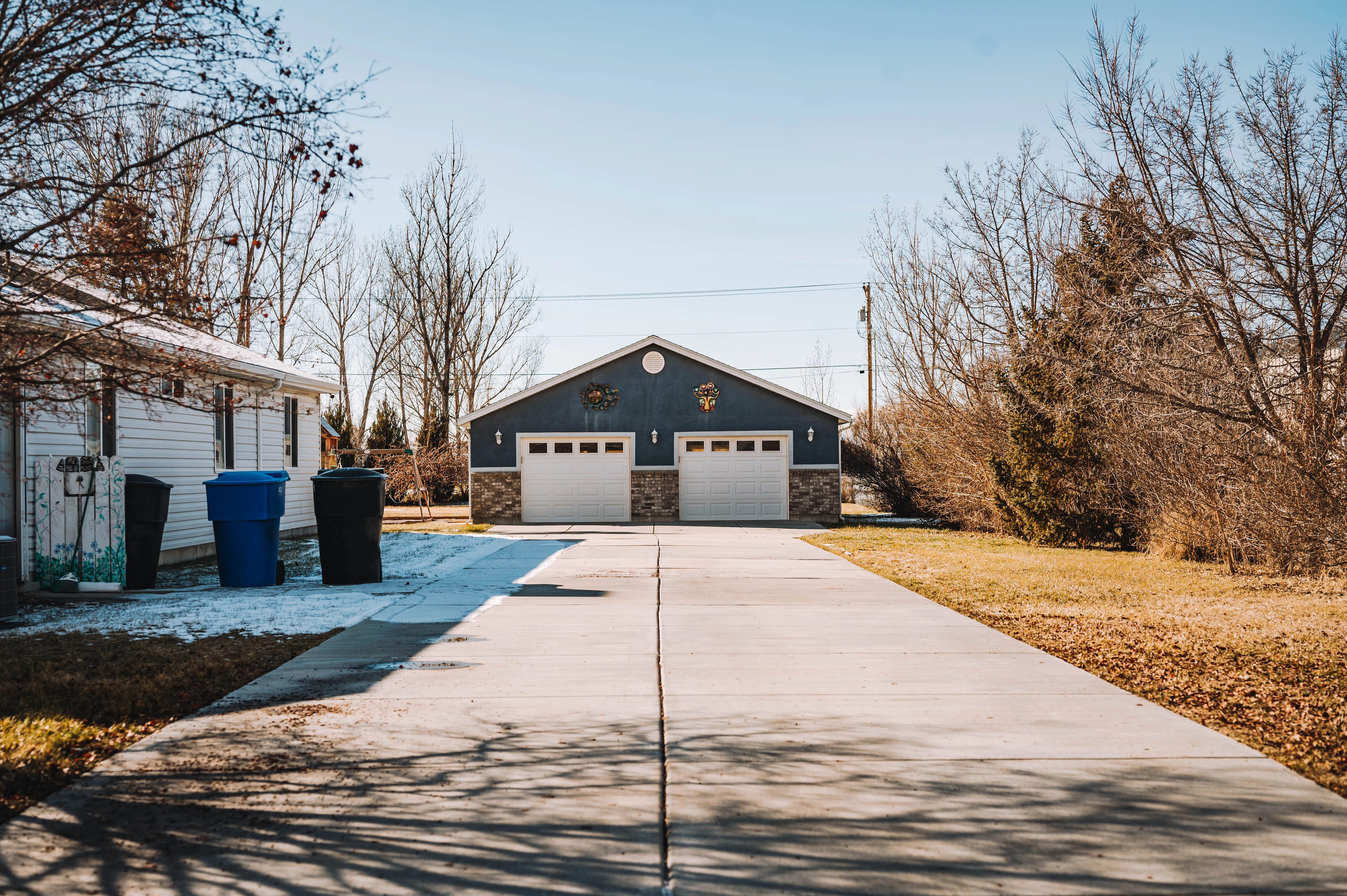
Geographically we cover ground stretching from Tolleson (7 miles) and Youngtown (8 miles) out to El Mirage (9 miles) and Litchfield Park (10 miles), with closer service into Maryvale Village (4 miles SW) and the Glendale Sports and Entertainment District (4 miles W). That spread means we see the same 1979-2007 housing pattern repeat itself with local variation - some pockets skew older, some skew closer to the 2001 median - but the underlying heat problem doesn't change from one end of that range to the other.
Questions
Common questions
Why does my garage door spring keep breaking in summer?
Torsion springs are rated for a set number of cycles, and sustained heat in the 100s speeds up metal fatigue. If your house falls in the 1979-2007 build range common here, the spring may be original and already near the end of its life before the heat finishes it off. Replacing both springs together, not just the broken one, is standard practice.
Is my garage door insulated?
If your house was built in the earlier part of the 1979-2007 range, before insulation requirements were standard on residential garage doors, it's likely a single steel layer with no foam core. Houses closer to the 2001 median are more often already insulated. We can check the door's construction on site.
Should I repair or replace an old opener?
If the opener is original to a house built in the 1990s or earlier, heat cycling has usually worn the gears and lubricant past the point where a repair holds for long. We'll look at the specific unit before recommending replacement - some newer openers just need a lubrication and adjustment.
Do you cover areas outside Glendale itself?
Yes, our service area extends out to places like Tolleson, Youngtown, El Mirage, and Litchfield Park, plus closer-in areas like Maryvale Village and the Glendale Sports and Entertainment District. Call and we can confirm whether your address falls inside our range.
Ready when you are
Need a garage door sorted in Glendale?
Glendale Garage Door Co repairs and installs garage doors, springs and openers in Glendale, AZ and the surrounding area.