
Worn Garage Door Springs
Garage door springs eventually reach the end of their useful cycle life after years of repeated opening and closing, and broken torsion springs are a recurring call here.
Local garage door service · Glendale, AZ
Garage door repair and installation for Glendale homes built mostly between 1979 and 2007, covering emergency service, off-track repair, opener installation, opener repair, panel replacement, and the residential garage door systems common across the area's 2000s-heavy housing stock.
Garage door services
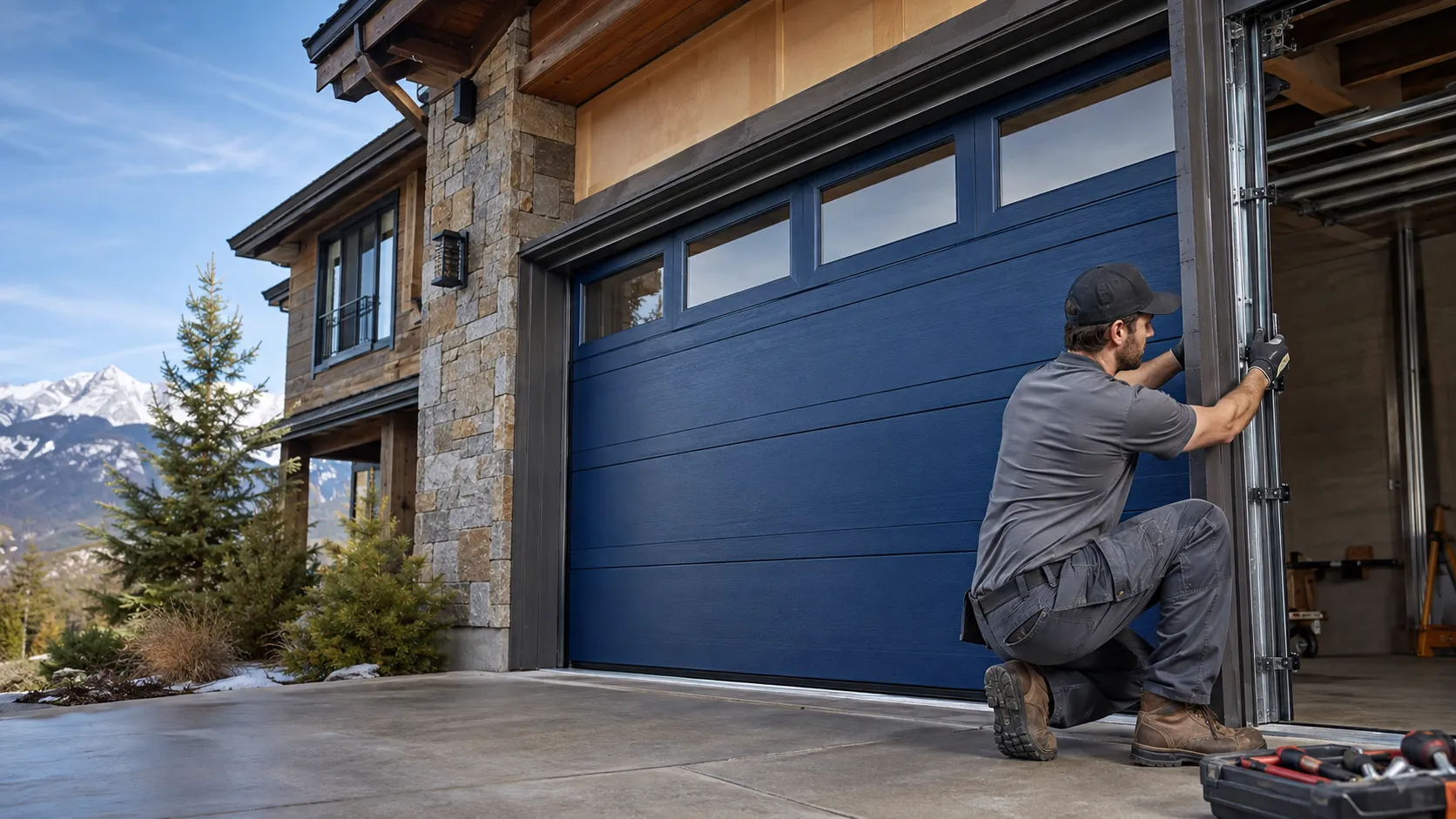
From emergency repair and general garage door service to installation, off-track repair, opener installation, opener repair, and panel replacement, the service lineup is built around the systems common across Glendale's late-1970s-through-2000s housing stock.
What to expect
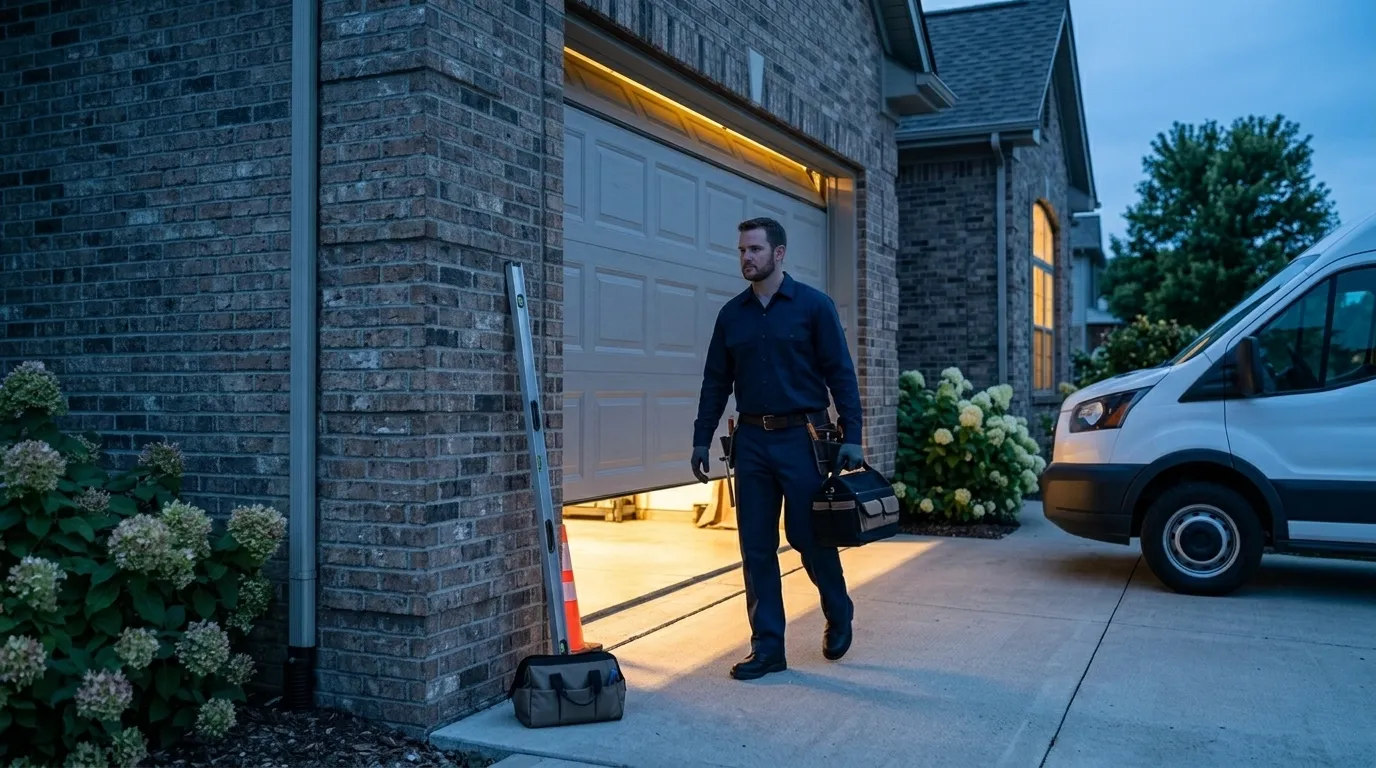
We start with what the door is actually doing, use the symptoms and the home's rough age to narrow the likely cause, then inspect the installed system before pricing the repair.
Tell us whether the door won't open, moves crooked, makes unusual noise, or the opener is no longer responding correctly. That symptom is the starting point.
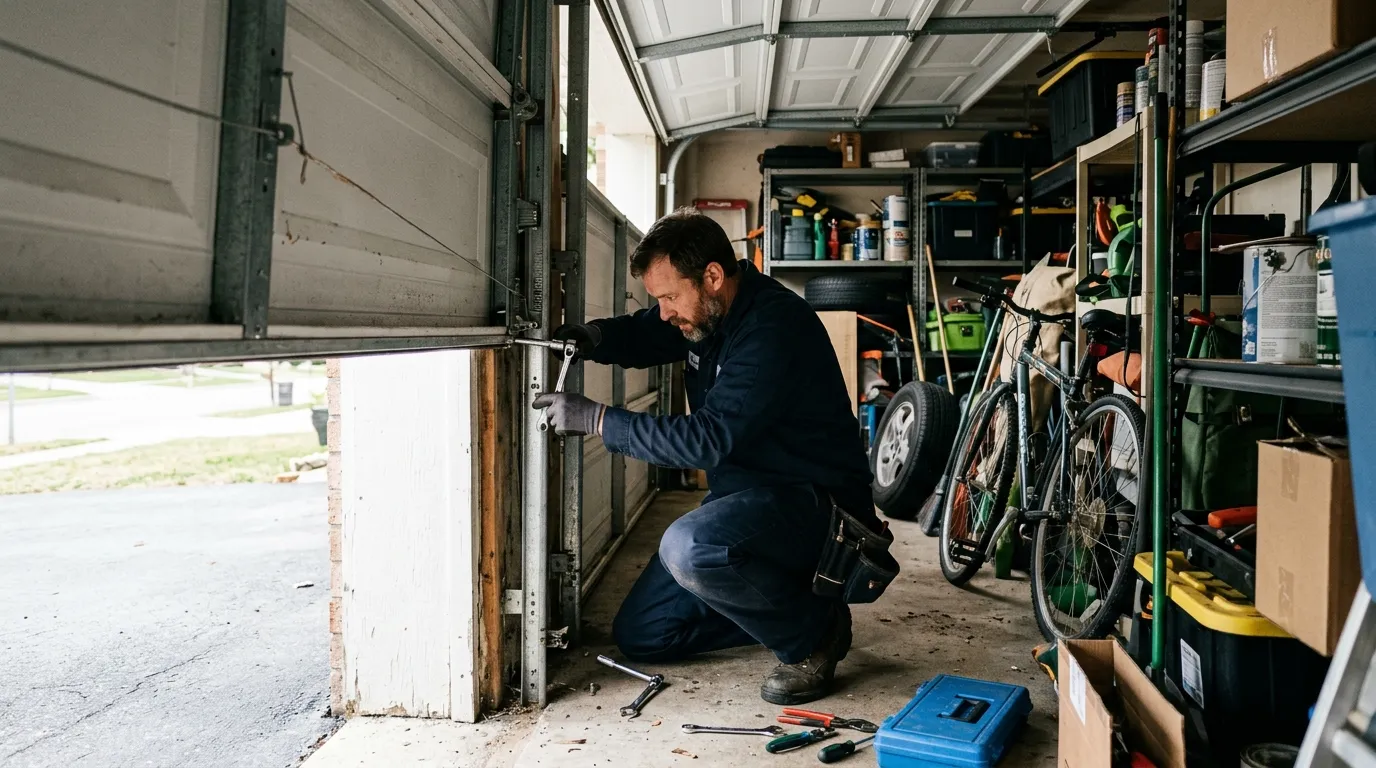
The symptoms and approximate age of the home can help point toward springs, cables, tracks, rollers, opener electronics, or panel problems before we arrive.
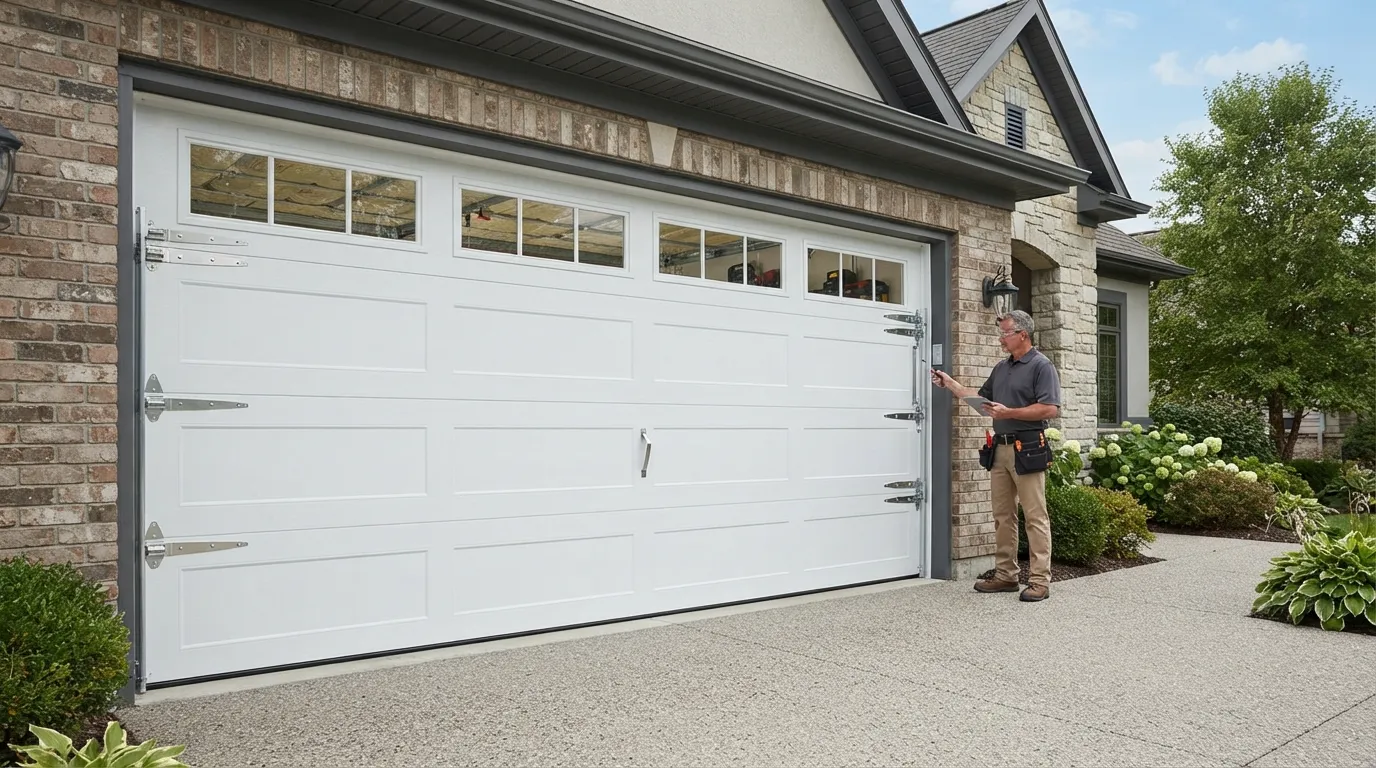
The installed door and surrounding hardware are checked before work begins rather than assuming the first symptom tells the whole story.
We give the repair price before work begins and are clear when a part needs additional sourcing rather than a same-visit fix.
Some Parts May Need Sourcing
Some opener boards and older track components may not be standard truck stock and can require additional sourcing before the repair is finished.
Common Glendale garage door problems
Worn springs, brittle rollers, opener electronics, aging seals, off-track doors, and panel problems make up much of the work across Glendale's 1979–2007 housing stock. This is a severe-heat environment, and sustained heat can make existing wear in springs, rollers, opener electronics, and seals more noticeable — while much of the local housing built between 1979 and 2007 now runs original or first-generation replacement parts. Freeze-thaw and snow load are not major service drivers here the way they are in colder regions.
Garage door springs eventually reach the end of their useful cycle life after years of repeated opening and closing, and broken torsion springs are a recurring call here.
Older nylon rollers can become noisy, cracked, rough, or resistant as age and long-term heat exposure accumulate, leaving the door louder and less smooth.
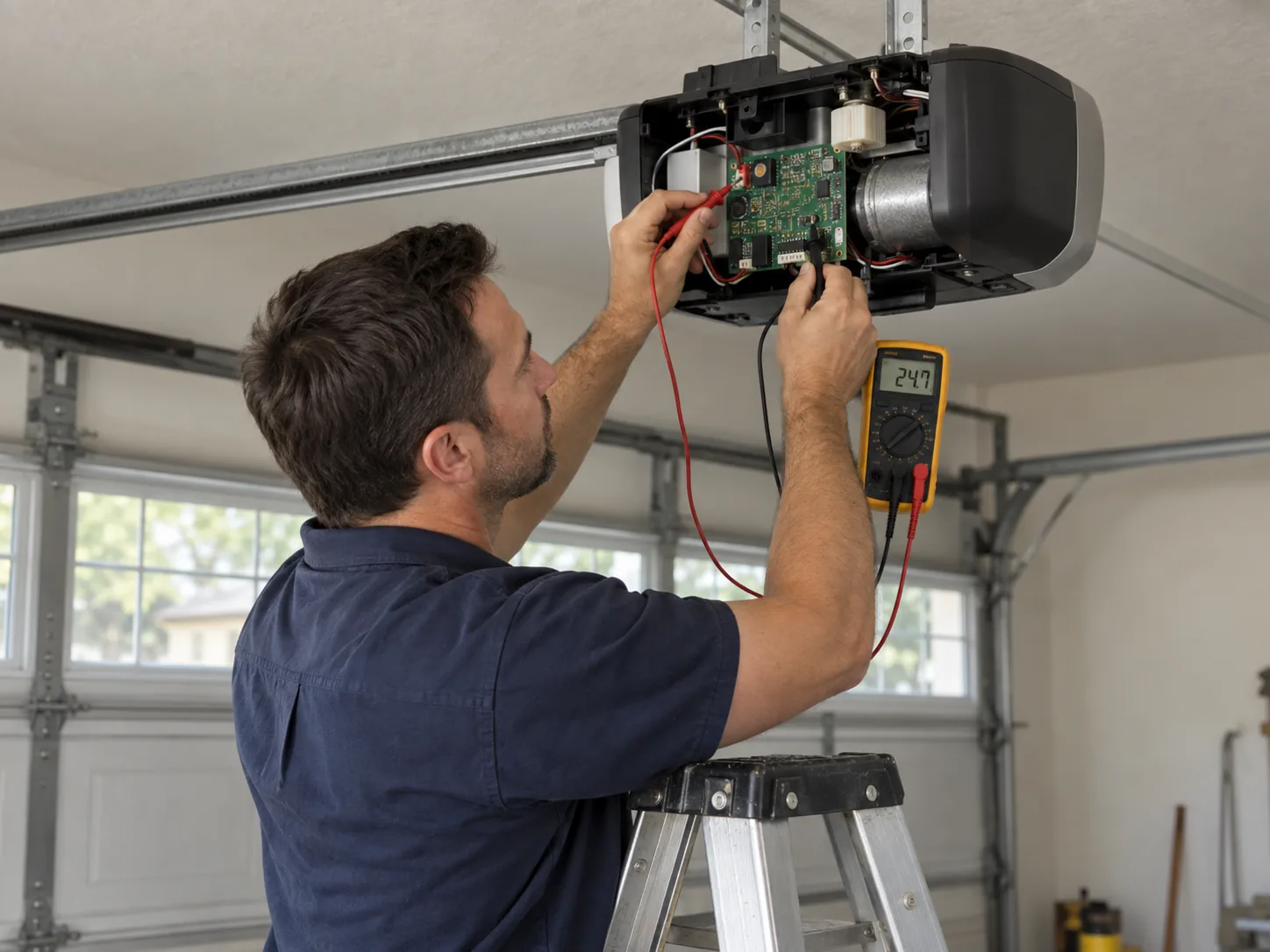
Logic boards, sensors, remotes, motors, and drive components can develop faults as opener systems age, especially after years in a very hot garage.
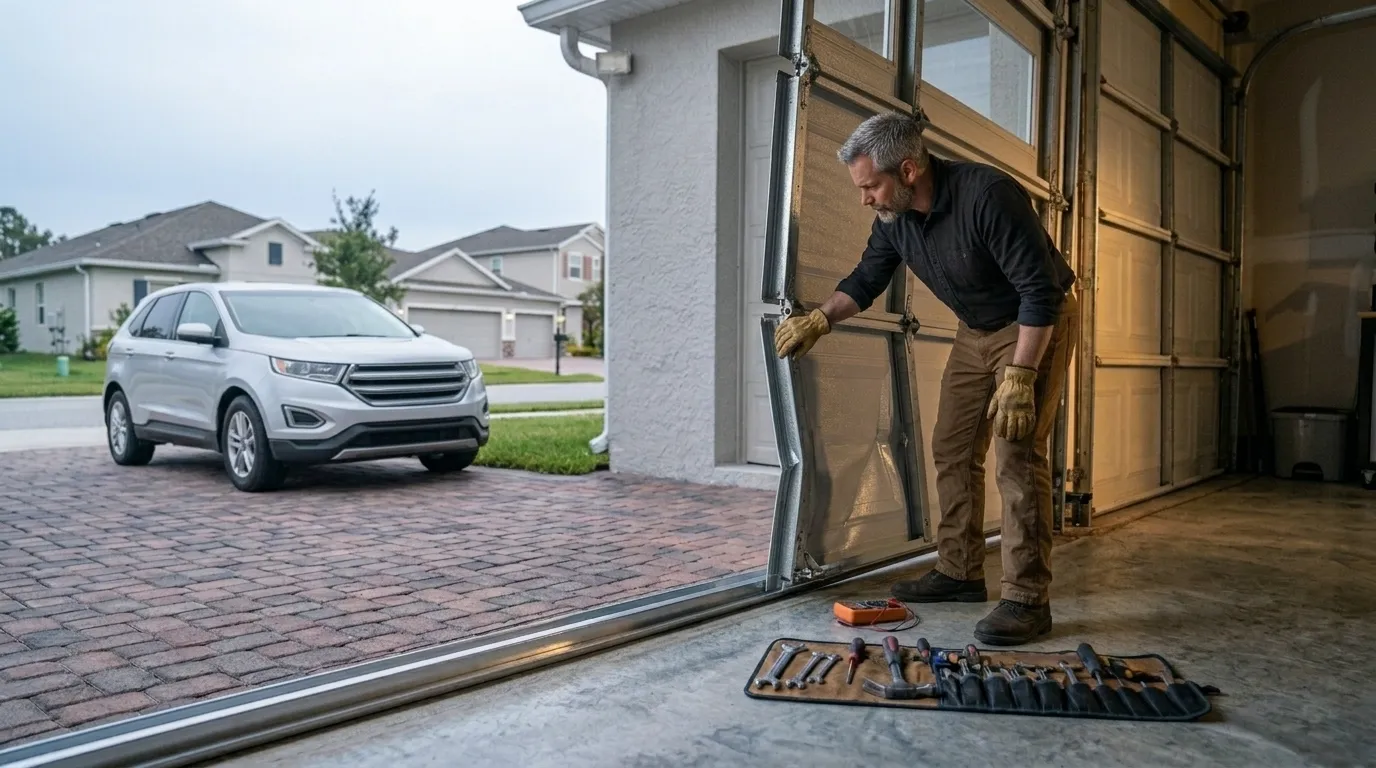
Cable issues, roller wear, impact, or alignment problems can leave a garage door crooked or outside its normal track path, so the fix addresses the cause.
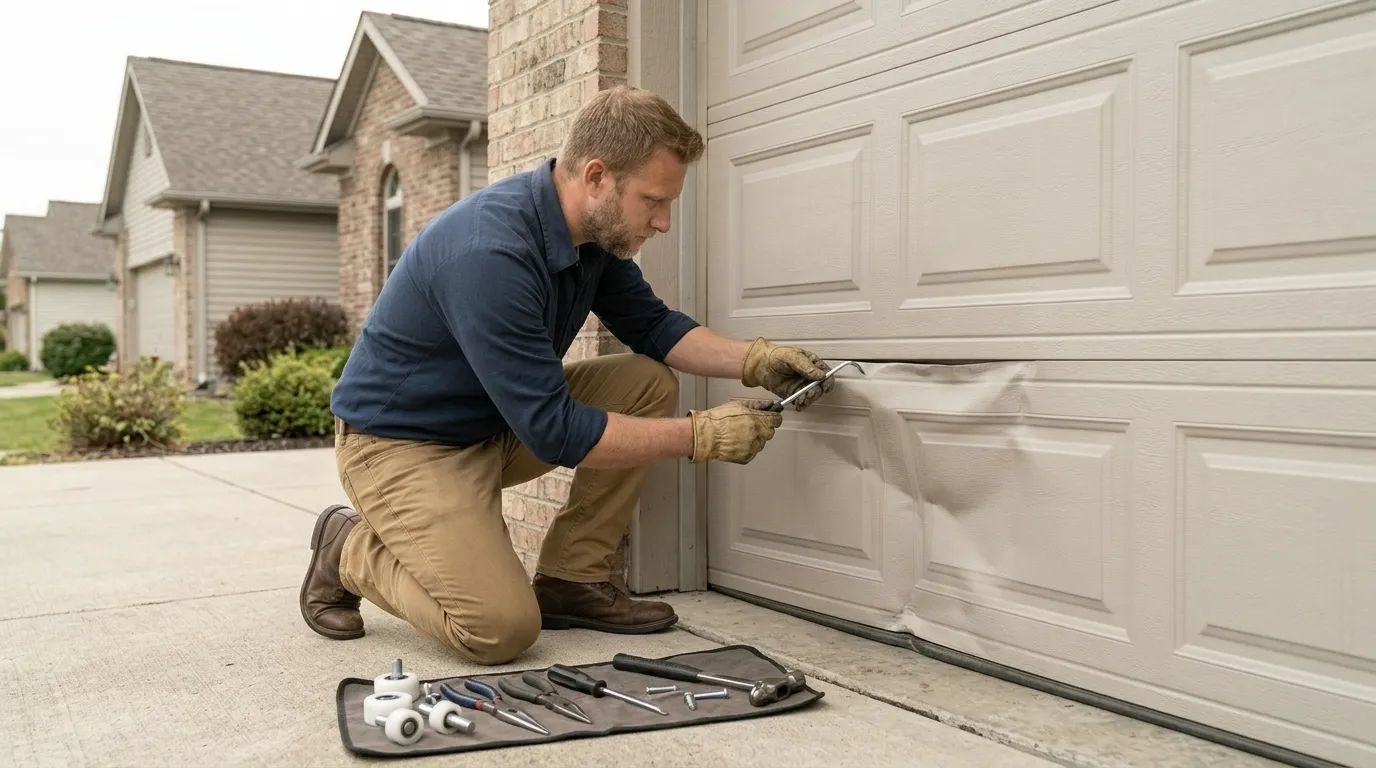
Older seals can dry or stiffen, while panels can become dented, warped, or otherwise damaged over time in the heat.
Local housing matters
The broader source service area spans housing built mainly from 1979 through 2007, with a median build year around 2001 and much of the stock concentrated around the 2000s.
That means steel sectional doors, standard torsion systems, chain- and belt-drive openers, electronic safety sensors, and builder-installed hardware are common.
There are approximately 69,657 households and 44,511 owner-occupied houses across the broader service area.
Older communities can sit toward the earlier end of the range, while later subdivisions are more likely to use matched door-and-opener systems installed as original equipment.
The build year gives useful context, but the right repair still depends on the springs, tracks, rollers, opener, panels, and other hardware actually installed today.
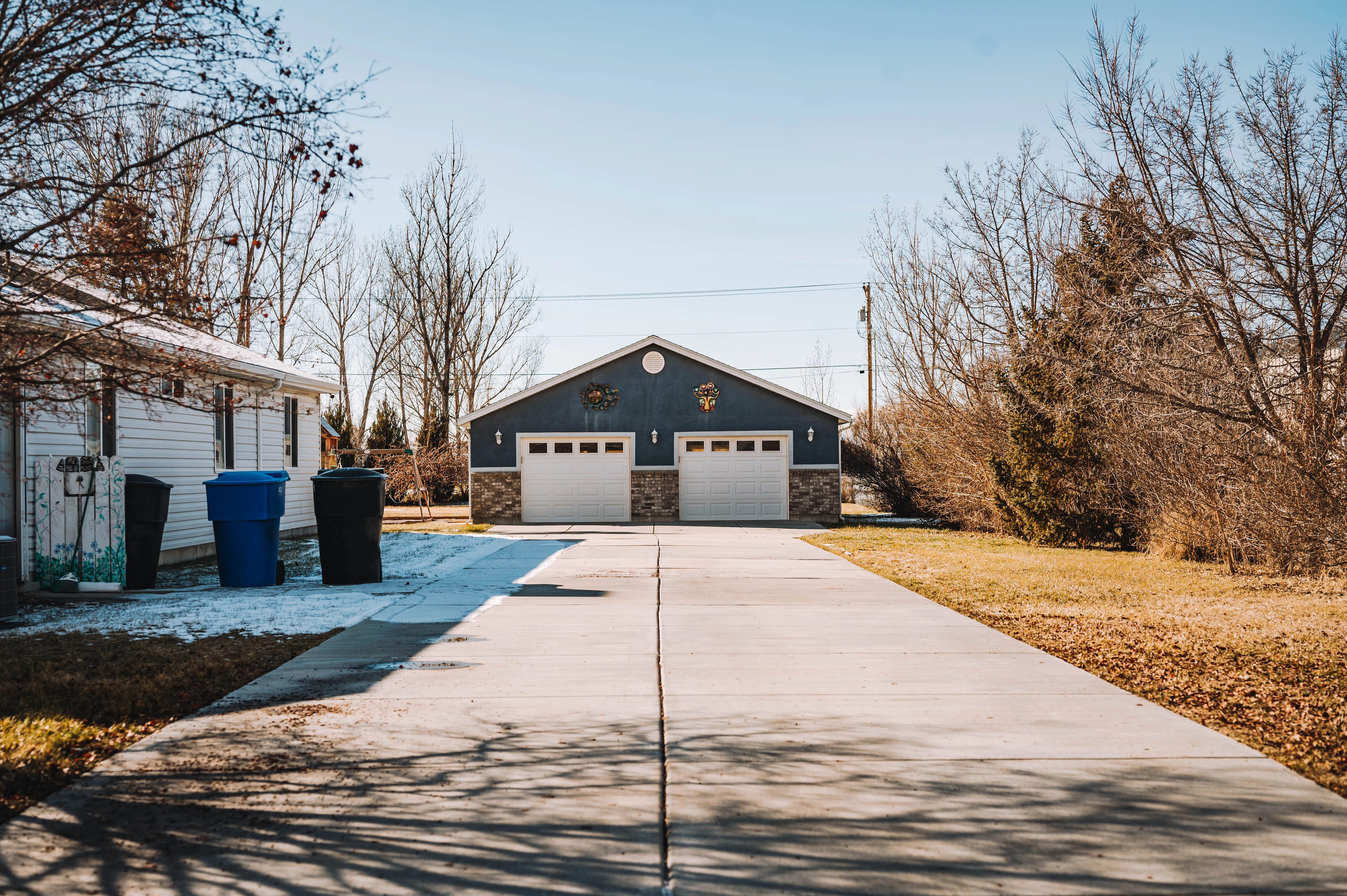
Late-1970s to 2000s garage door systems
Homes spanning 1979 through 2007 create a service mix centered on steel sectional doors, torsion springs, builder-grade openers, electronic controls, and relatively standardized residential hardware.
Much of the local housing stock uses overhead torsion spring systems paired with sectional residential doors, so most spring work follows a familiar pattern.
Standard steel and aluminum sectional doors are the mainstream residential systems in the area, which shapes how panels and hardware are repaired.
Builder-era openers from the 1990s and 2000s can now have aging motors, boards, gears, sensors, and controls reaching repair age.
Homes toward the later end of the range can use heavier insulated doors that require different spring sizing and balance.
High-heat garage door wear
Glendale is a severe-heat environment, and sustained summer heat can contribute to aging in lubricants, seals, rollers, opener electronics, and already-worn mechanical components.
Daily cycling remains the primary source of spring fatigue, while sustained heat adds another operating stress to already aging metal hardware.
Older nylon rollers can become increasingly brittle, noisy, or rough as years of use and heat exposure accumulate, putting strain on the opener.
Electronic components operating for years in a very hot garage can eventually develop reliability problems on boards, sensors, and controls.
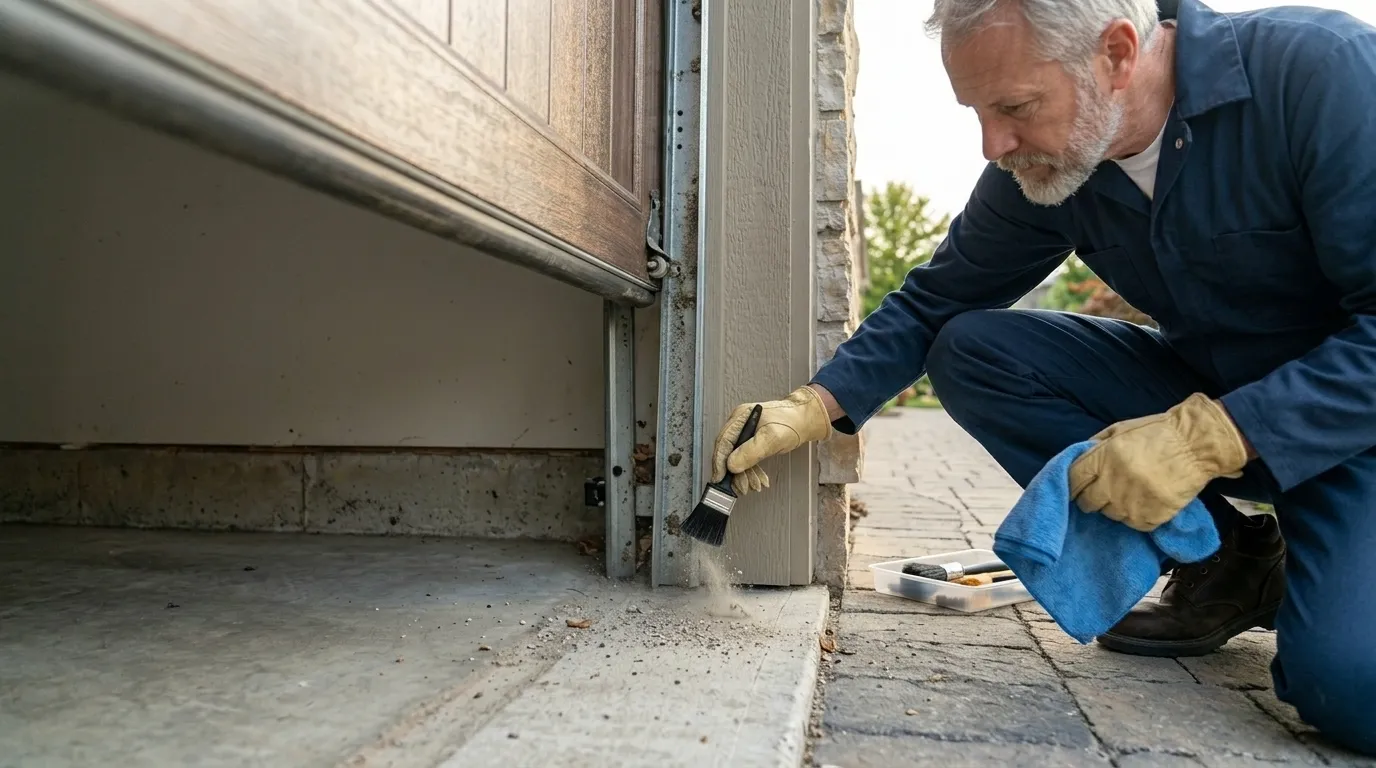
Bottom seals and perimeter weatherstripping can dry, stiffen, crack, or lose sealing effectiveness over time in the heat.
Built around Glendale garage doors
The normal service focus is steel and aluminum sectional garage doors using torsion or extension springs, along with chain- and belt-drive opener systems commonly installed during Glendale's major construction years.
That means real familiarity with mainstream residential spring, track, roller, panel, and opener configurations rather than unusual specialty systems.
Custom carriage-style wood restoration and rare imported opener systems are outside the normal service focus.
For standard sectional doors and common opener systems, the repair decision is based on the actual failed component rather than automatically recommending complete replacement.
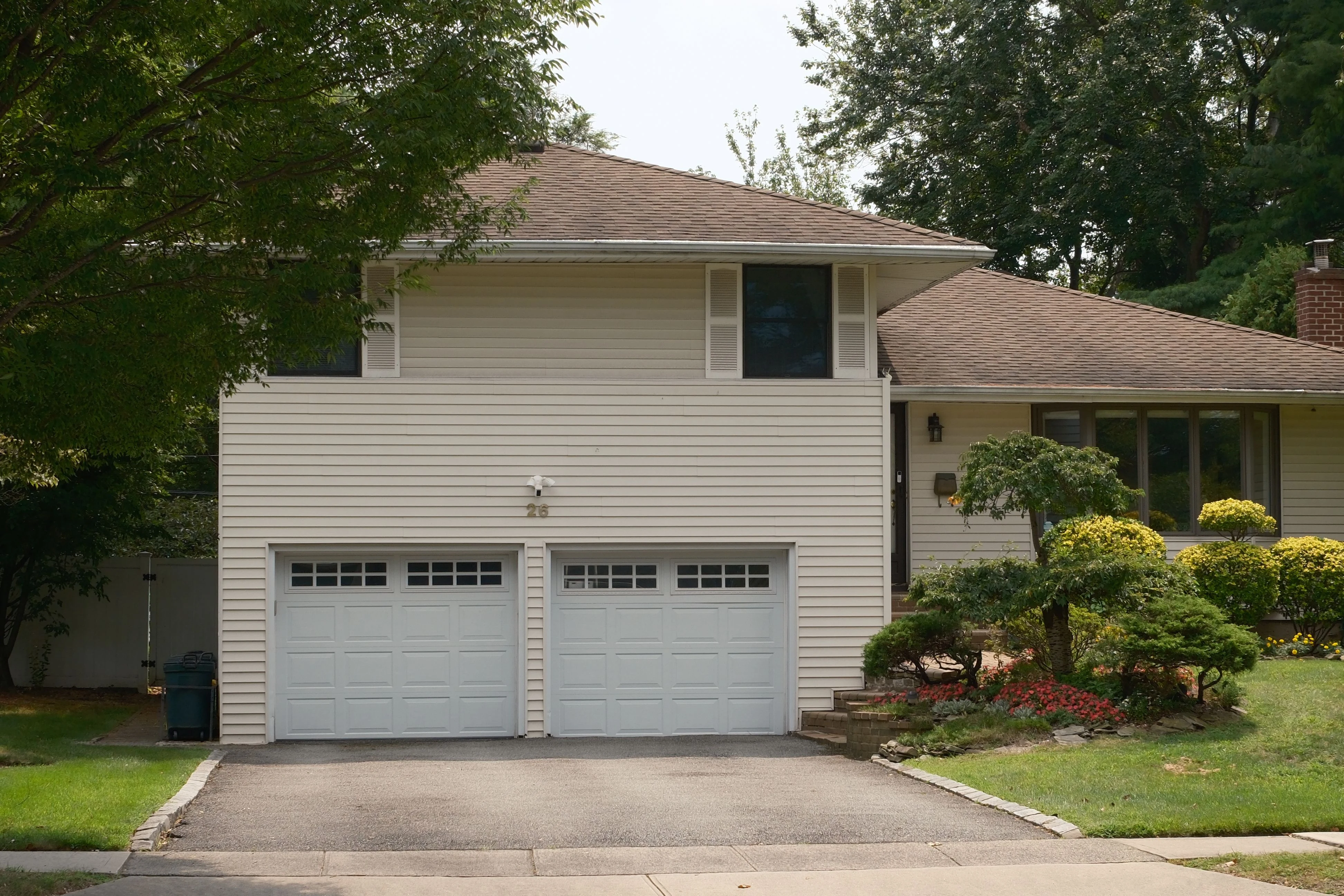
Repair or replace?
A spring, roller, opener, track, or panel problem does not automatically mean the complete garage door needs replacement. Replacement becomes more practical when the door structure itself is deteriorated or several major components are failing together.
A targeted repair can make sense when the panels, tracks, opener, cables, and surrounding hardware remain serviceable. One worn part is no reason to replace a sound door.
An opener can remain a repair candidate when the motor, board, sensor, or drive component is serviceable and compatible parts are available.
Replacement becomes more practical when the door structure is too distorted or deteriorated for new hardware to keep it operating reliably.
When critical opener or door components are no longer realistically available, replacement can be more practical than repeated adaptation.
Clear repair guidance
There isn't one flat repair price, because garage door work changes with the installed system.
A single spring on a lighter door is different from a matched spring pair on a heavier insulated double door, while opener electronics, panel work, tracks, and special-order parts create different scopes.
There are approximately 44,511 owner-occupied houses among roughly 69,657 households, with a median household income around $71,618 across the broader area.
We give the repair number before work begins rather than letting the scope grow unexpectedly during the job.
If repair no longer makes practical sense compared with replacement, that's discussed rather than continuing to stack parts onto an aging system.
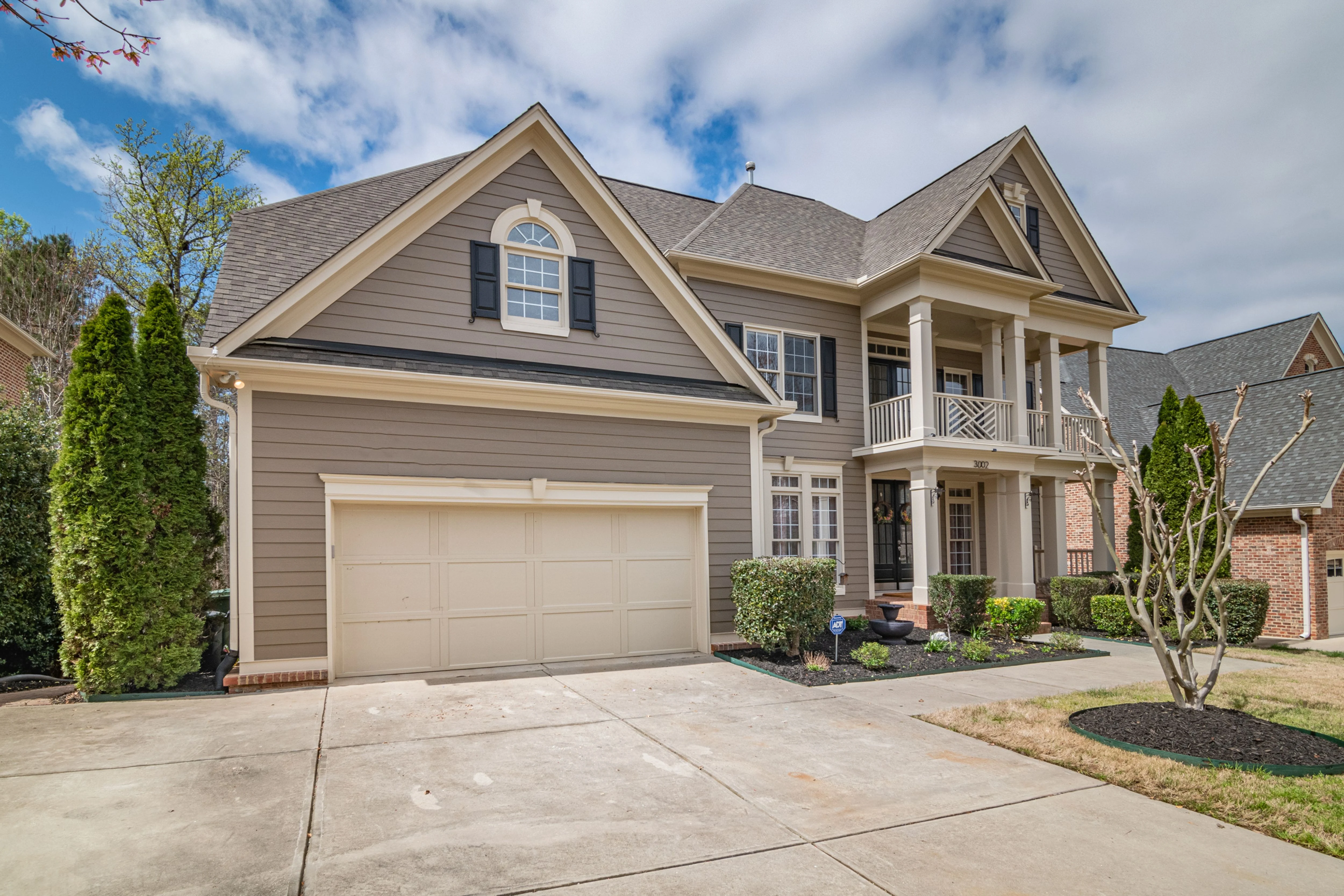
Service areas
Questions
Heat. This is a severe-heat climate, and torsion springs go through daily expansion and contraction that wears them out faster than in milder areas. Combine that with a lot of original hardware from the 1979-2007 building period reaching the end of its life, and spring failure is the most common call we get.
Yes. For this site, the configured surrounding service areas are Avondale, El Mirage, Litchfield Park, Paradise Valley, and Sun City West.
Most of the housing stock in the service area was built between 1979 and 2007, with 2001 as the median build year and the bulk of it dating to the 2000s. That means original torsion springs, openers, and track hardware from that period are common, and a lot of it is now due for replacement.
Depends on what's actually wrong. If the door panels are sound and it's a spring, roller, or opener issue, repair usually makes sense. If the door itself is warped or rusted, or the opener parts are no longer available, replacement is the better call - we'll tell you honestly which situation you're in.
Ready when you are
Tell us what the door is doing and we'll help you figure out whether you're dealing with an opener, roller, track, off-track door, panel issue, emergency problem, aging hardware, or a system that's reached the point where replacement makes more sense.