Receiver sensitivity loss
Sometimes the remote works from the driveway but not from thirty feet down the block, which usually points to a receiver board losing sensitivity, not a dead remote.
Glendale, AZ
Opener repair for Glendale homes built 1979-2007, where summer heat bakes drive gears and circuit boards. Same service area coverage, straight talk on what breaks and why.
Local causes
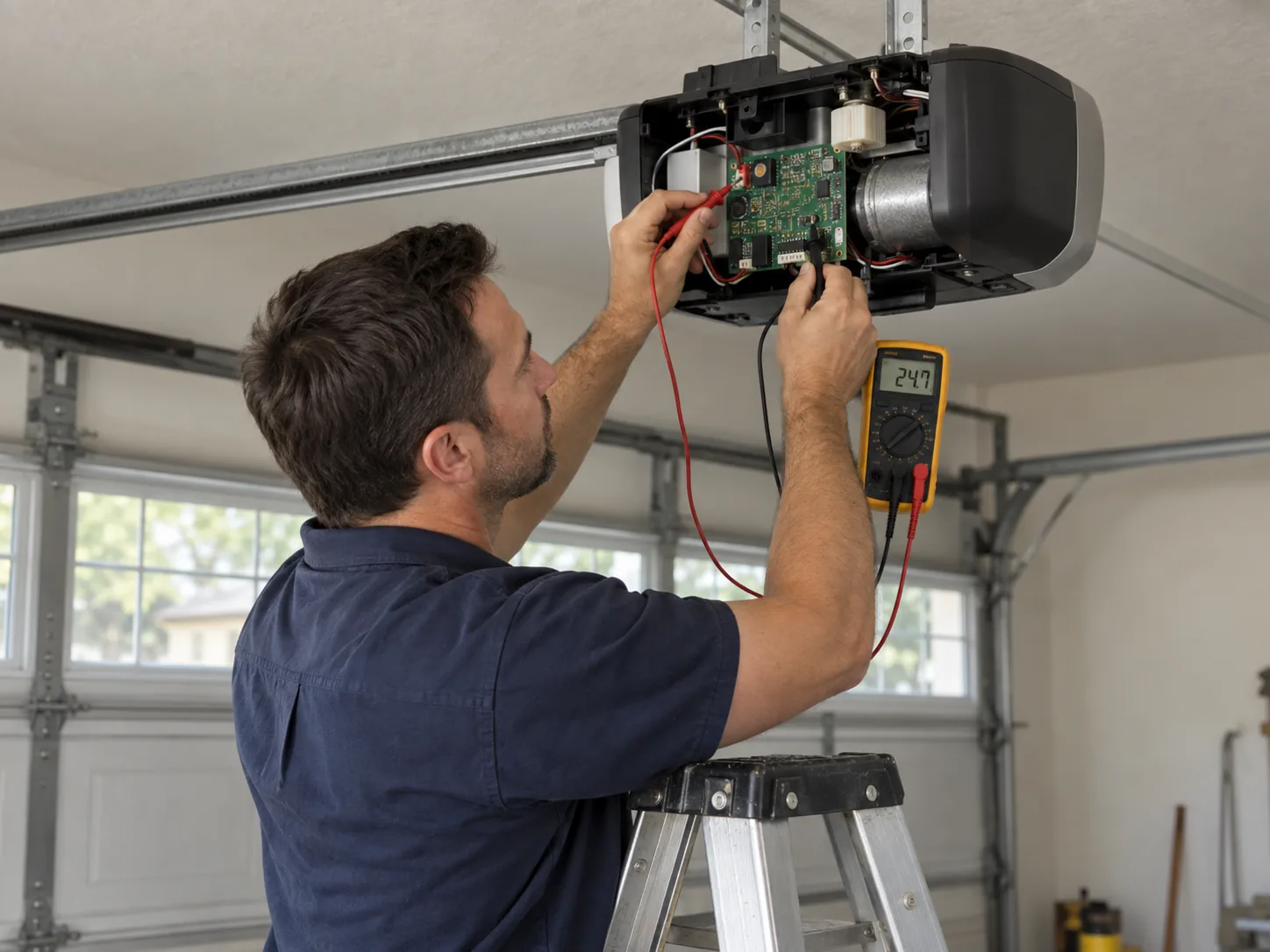
Most of the houses we get called to across this service area went up between 1979 and 2007, with the median build year landing around 2001. That's a long run of production-built openers - chain and belt drive units from the same handful of manufacturers, installed by the builder, never touched since. Those units were engineered for a garage, not for the kind of sustained heat this part of Arizona sees every summer. The climate here runs severe on the heat side, and an attached garage with a south or west-facing door can sit well above outdoor temperature by mid-afternoon. Circuit boards, capacitors, and the plastic drive gears inside a chain-drive opener all degrade faster under that kind of repeated thermal load than they would in a mild climate. This isn't a defect in any one brand - it's what 20+ years of Arizona summers does to the electronics and gearing inside a garage opener, across every one of the eight housing areas we cover. Newer belt-drive units with metal internals hold up better, but a lot of the original units from the early 2000s building boom are still in service, and they're the ones failing now. That's the pattern we see, house after house, not a random string of bad luck.
Symptoms
The most common call we get is an opener that runs the motor but the door doesn't move, or moves partway and reverses. Sometimes it's a light that blinks a fault code and nothing else happens.
Sometimes the remote works from the driveway but not from thirty feet down the block, which usually points to a receiver board losing sensitivity, not a dead remote.
On chain-drive units from the early 2000s, we also see the drive gear stripped down to a smooth nub - the plastic gets brittle from years of heat cycling, and one hot afternoon with a slightly heavier door is enough to shear the teeth off.
On belt-drive units, it's more often the logic board itself, since the control board sits closest to the ceiling where garage heat collects. If your opener has started making a grinding or clicking noise before it fails outright, that's usually the gear going, not the motor.
On the truck
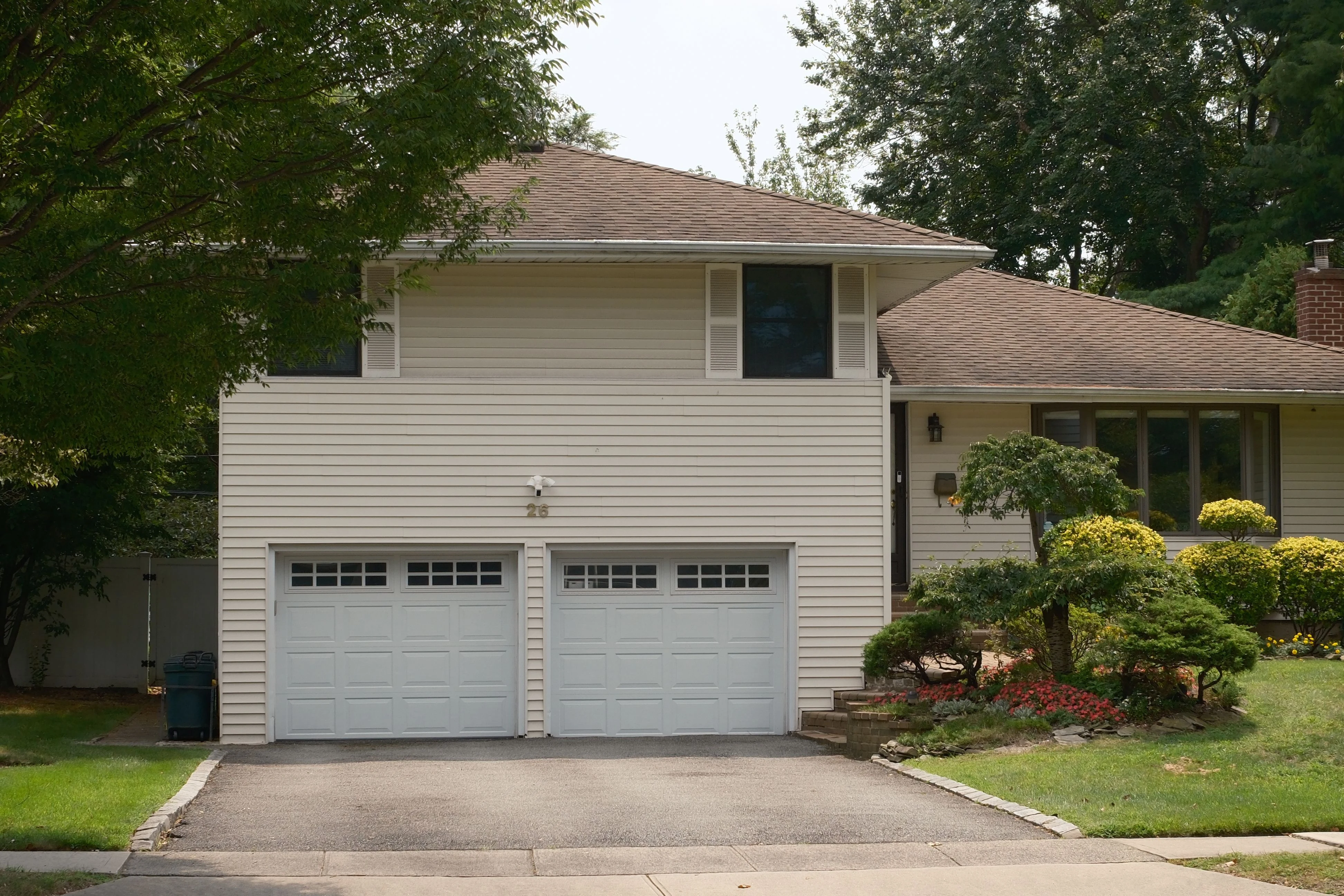
We carry drive gear kits, logic boards, and receiver boards for the chain and belt-drive openers most common in homes built during Glendale's 1980s-through-2000s construction run, since that's the bulk of what's on our trucks anyway. Wall consoles, safety sensor pairs, and standard remotes are stock items too. What we don't keep on the truck is every board variant for older or less common opener brands - if your unit is an oddball model, we may need to order the board, and we'll tell you that price and lead time before we start rather than guessing. In most cases, if it's a gear kit or a mainstream board, we finish the swap same visit.
The repair
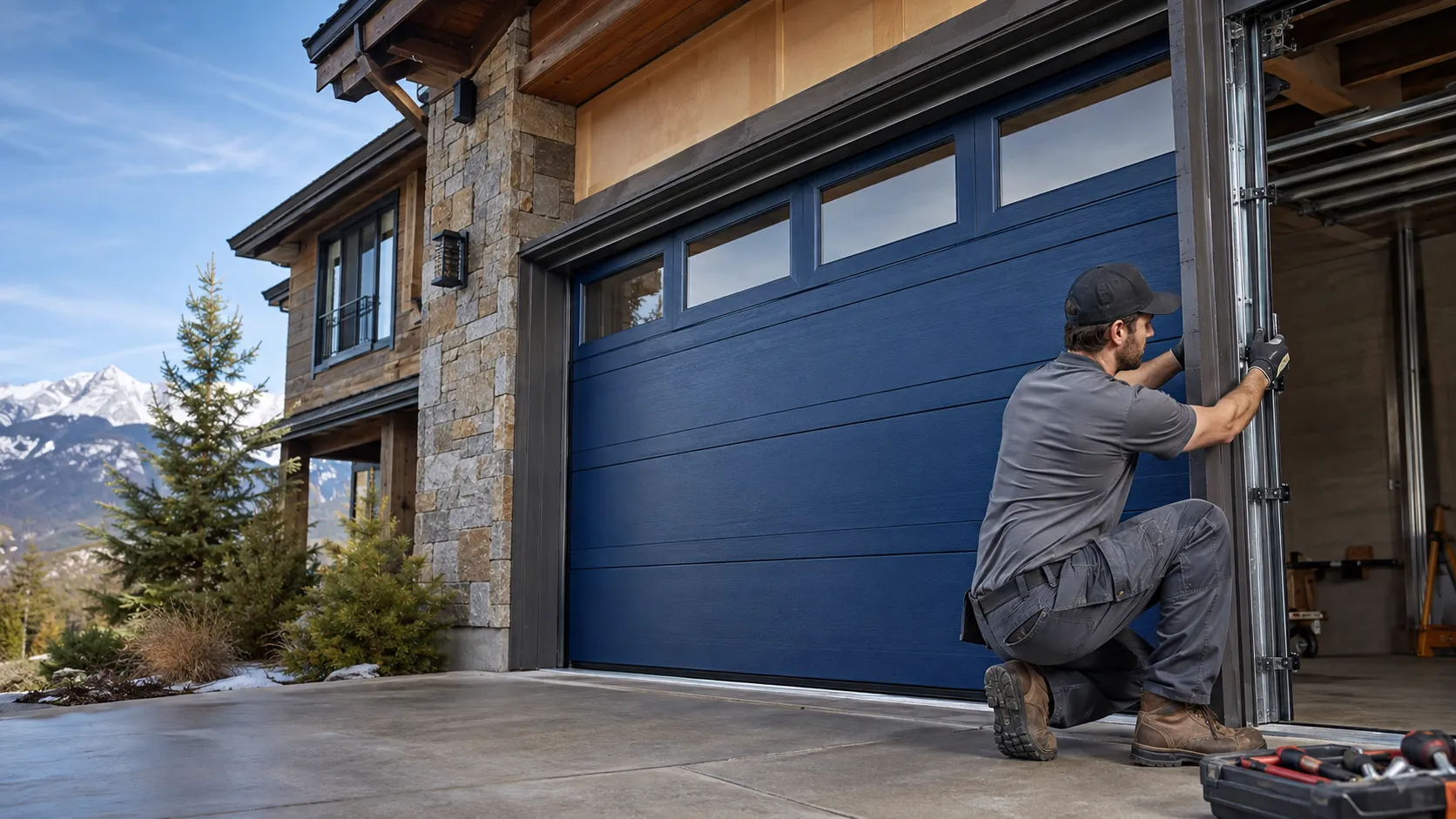
A stripped drive gear is a straightforward swap - pull the motor cover, replace the gear and sprocket kit, regrease, test the travel limits. A bad logic board takes longer because we have to reprogram the wall console and any remotes after the swap, and confirm the safety sensors are reading correctly before we call it done. If the opener is original to the house and this is its second or third board failure, we'll say so plainly: at some point a new opener costs less over time than keep feeding an unit that's been baking in a hot garage for two decades. We're not going to sell you a board swap on a unit that's on its last legs just to avoid a harder conversation. Across the area - Tolleson, Youngtown, El Mirage, Litchfield Park, and the rest of what we cover out to Sun City West and Avondale - the fix is usually one of these two: gear kit or board, both jobs we carry parts for and can usually close out in one visit.
Questions
Heat is the main driver. With Glendale's climate running severe on the heat side, an attached garage can hold temperatures well above outdoor air by afternoon, and that heat cycling breaks down plastic gears and circuit boards faster than in a mild climate. It's especially common in openers original to houses built in the 1980s-2000s construction boom that makes up most of this area's housing stock.
Often yes, if it's a first-time gear failure - that's a cheap, quick fix. If the board has already failed once before, or the unit is original and starting to show multiple symptoms, replacement usually makes more financial sense than another repair. We'll tell you which situation you're in before we start work.
We stock drive gears, logic boards, and receiver boards for the mainstream chain and belt-drive openers common in homes across this service area. Less common or discontinued brands sometimes need an ordered part, and we'll quote that lead time upfront rather than guess.
Explore more
Ready when you are
Glendale Garage Door Co repairs and installs garage doors, springs and openers in Glendale, AZ and the surrounding area.