
Opener misdiagnosis
Owners often assume the door itself is the problem and call about a spring or a track, when the door is moving freely by hand and the opener is the part actually failing.
Glendale, AZ
Openers here fail from heat, not age. We install and replace garage door openers across Glendale's 2000s-era subdivisions, matched to the housing stock and the summer load.
Local causes
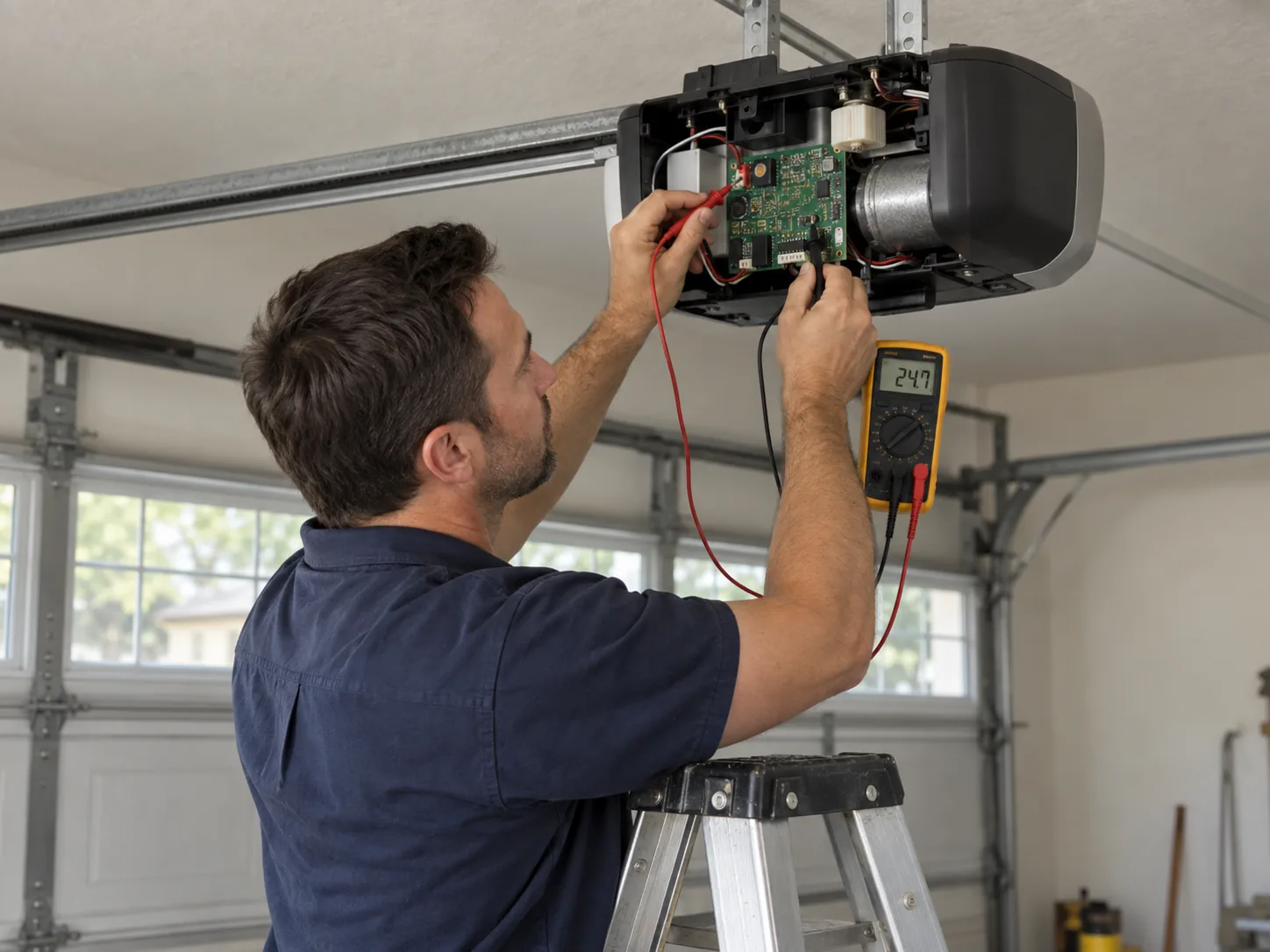
Most of the housing stock in this service area went up between 1979 and 2007, with the median build year sitting at 2001 and eight named areas dominated by that same 2000s construction wave. That means the majority of openers out there are the builder-grade unit that went in with the house, now old enough that the circuit board, the drive gear, or the capacitor is at or past its rated life. It also means a lot of these openers were never upgraded for the load they actually carry.
The bigger factor is the climate band. This is a severe-heat service area, and a garage that sits in direct sun for most of the day routinely pushes past 130°F inside the box that houses the opener's logic board. Heat is harder on electronics than years are. A opener rated for a mild climate and installed here without any adjustment to duty cycle or mounting position is doing double duty every summer, and the failure curve reflects it: boards cook, capacitors dry out, and belt-drive units lose tension faster than the manual suggests they should. We size and place the install around that, not around a generic spec sheet.
Symptoms
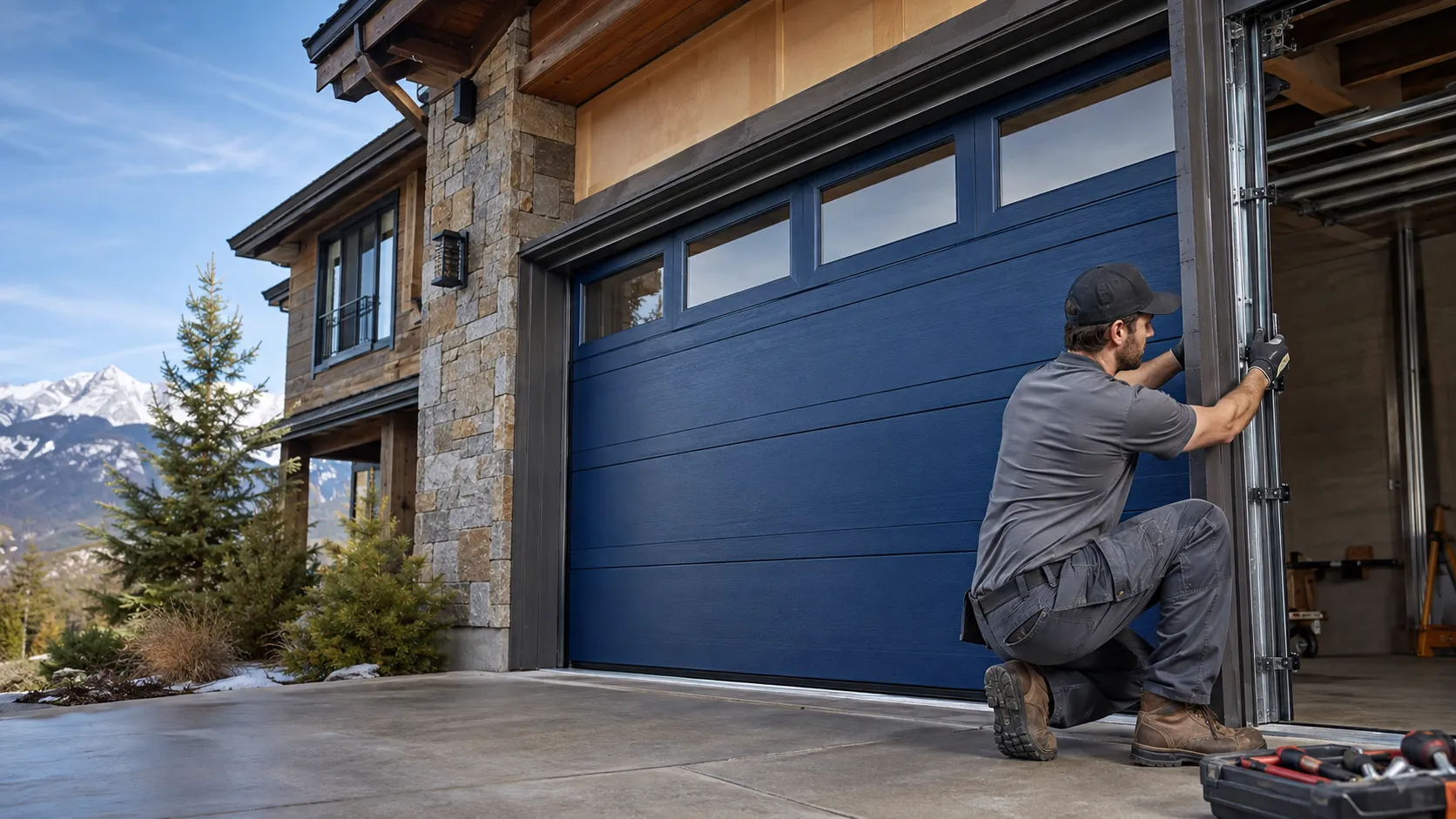
The pattern we see most is an opener that runs fine into May, gets sluggish by June, and starts refusing to close by July or August - it reverses partway, the light blinks a fault code, or the motor hums and does nothing.
Owners often assume the door itself is the problem and call about a spring or a track, when the door is moving freely by hand and the opener is the part actually failing.
A second version of the same symptom is the remote or wall button working intermittently - fine in the morning, dead by afternoon, back again after dark. That's heat-soaked electronics losing tolerance mid-day, not a battery or a wiring fault, and no amount of remote reprogramming fixes it.
If your opener is original to a house built in the late 1990s or 2000s window that's common across this area, and it's doing either of these things, replacement is usually the honest answer over another repair.
On the truck
We carry openers in the drive types that hold up against sustained heat load - chain and belt units with heat-rated logic boards, not the cheapest board on the shelf. We stock standard 1/3 and 1/2 horsepower units for single and double doors, along with the wall controls, keypads, and safety sensor pairs that come with a full install. What we don't stock is every legacy proprietary opener model from the original builder installs of the 2000s wave - if you've got one of those and want an exact match rather than a straightforward upgrade, that part may need to be special-ordered, and we'll tell you that up front rather than guess.
The repair
A straight opener swap on a standard residential door - old unit down, new one mounted, travel and force set, safety sensors aligned, remotes programmed - is a same-visit job.
We test the door through several full cycles before we leave, because a unit that closes fine once can still bind on the second or third pass if the force settings aren't dialed in for that particular door's weight and spring balance.
What takes longer is anything tied to the mounting: if the ceiling bracket, the header, or the electrical run doesn't match a modern opener's requirements, that's added time and sometimes an added part. We'll flag that during the estimate, not after the ceiling's already open.
And one limitation worth saying plainly - we install and service openers, we don't run new dedicated electrical circuits; if your garage needs new wiring to support the unit safely, that's a call to an electrician first.
Questions
This area sits in a severe-heat climate band, and an unshaded garage can hold well over 130°F for hours at a time. Opener logic boards and capacitors degrade faster under sustained heat than under age alone, so failures cluster in the hottest months even on openers that are only a few years old.
Most homes in this service area were built between 1979 and 2007, with the bulk from the 2000s. If your opener is original to a house from that window, it's likely at or past the end of its realistic service life, especially given the heat load, and replacement is usually more cost-effective than another repair call.
We stock current chain and belt-drive openers in the standard horsepower ranges used on single and double residential doors. We don't stock every legacy proprietary model from original builder installs - if you want an exact match to an older unit, that part may need to be special-ordered.
A standard swap - removing the old unit, mounting the new one, setting travel and force, aligning safety sensors, and programming remotes - is typically finished in one visit. If the mounting or electrical setup doesn't match modern opener requirements, that adds time and we'll flag it during the estimate.
Explore more
Ready when you are
Glendale Garage Door Co repairs and installs garage doors, springs and openers in Glendale, AZ and the surrounding area.