Sun City West, Glendale

Garage Door Repair for Sun City West's 1990s Housing Stock

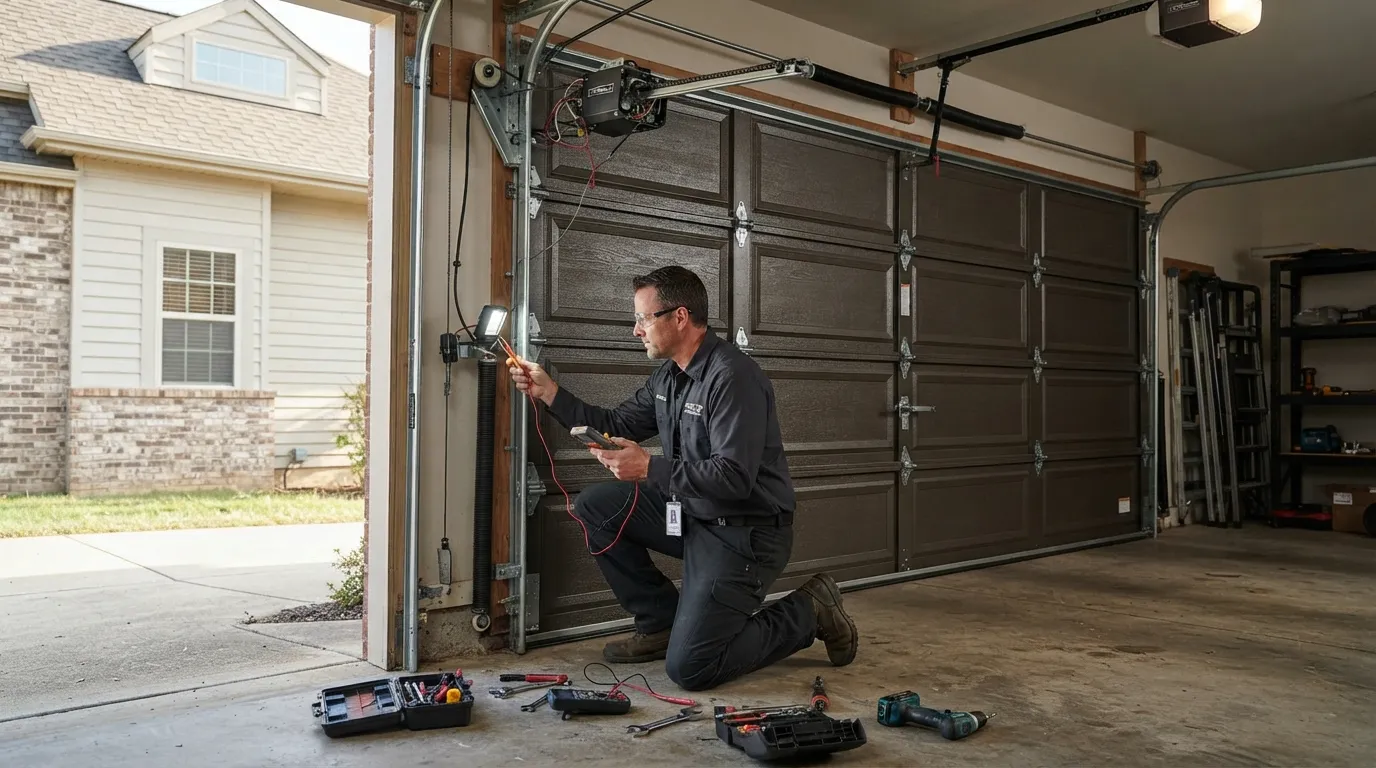
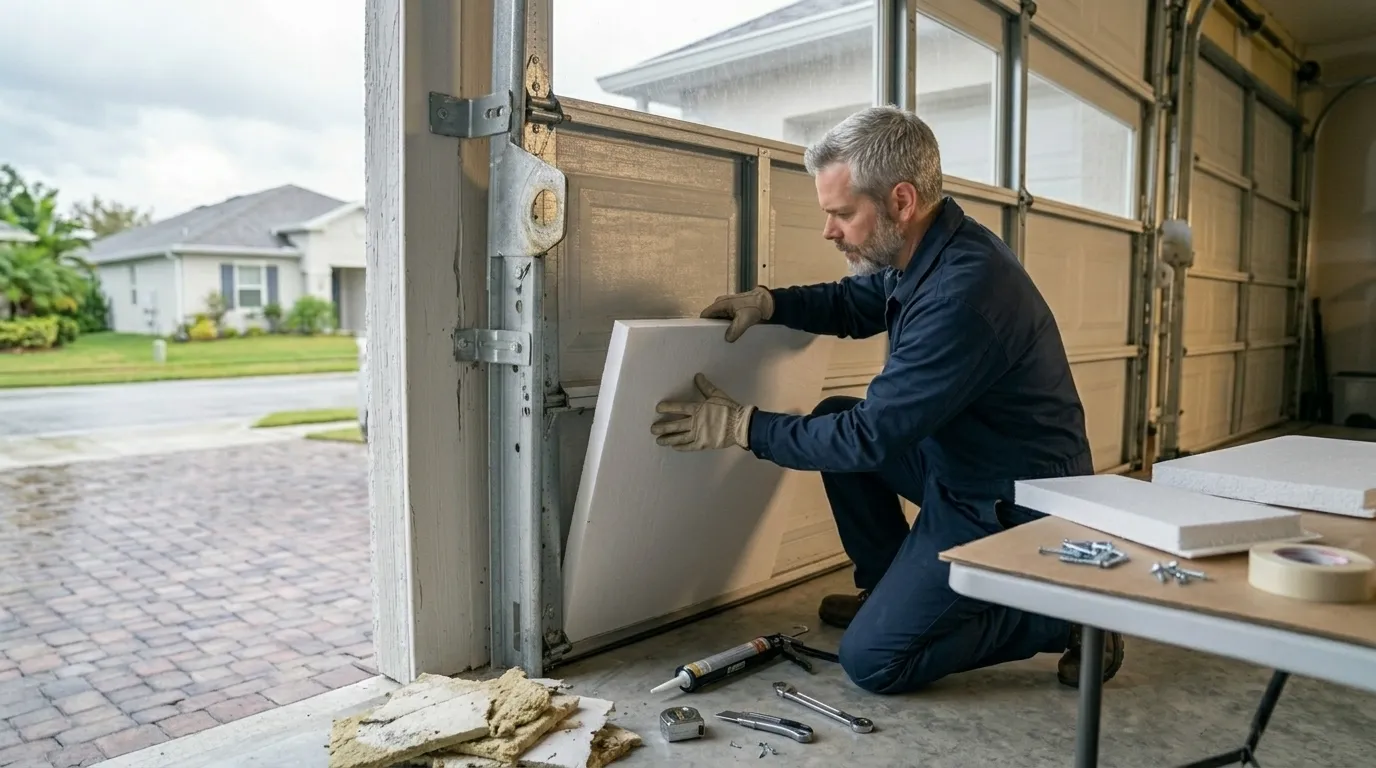
Glendale Garage Door Co covers Sun City West, 14 miles out, working on the torsion hardware and openers common to this community's 1990s-era houses.

Garage Door Repair for Sun City West's 1990s Housing Stock in Glendale
What we do
  • Garage Door Repair
  • New Door Installation
  • Springs & Openers
Serving Glendale, AZBackground-checked techsHonest, upfront pricingFast local response

DIY or pro

The DIY Question

Sun City West sits 14 miles from our Glendale shop, which is the first thing that shapes how a call here actually runs. That's not a same-block hop - it's a real drive, so when a spring lets go on a Tuesday afternoon, the truck isn't already three doors down.

Spring hang patience

A homeowner watching a torsion spring hang half-cocked in the track, wondering whether to grab a wrench, needs to know that the wait is the drive, not the diagnosis. The other number that matters more than distance is the age of the house.

1990 era hardware

Most homes out here were built around 1990, which puts the garage door hardware into a different bracket than a lot of what we see closer to Glendale. That's springs and openers pushing three decades of use, in a climate that doesn't go easy on either.

DIY label guessing

DIY on a system that old usually means guessing at a spring size that was never labeled clearly to begin with, on hardware that's been baking in a garage for 30-plus summers. That's a bad combination to test with a ladder and a borrowed winding bar. A short call to size the part correctly before a trip out saves everyone the second trip.

Local causes

Why This Fails Locally

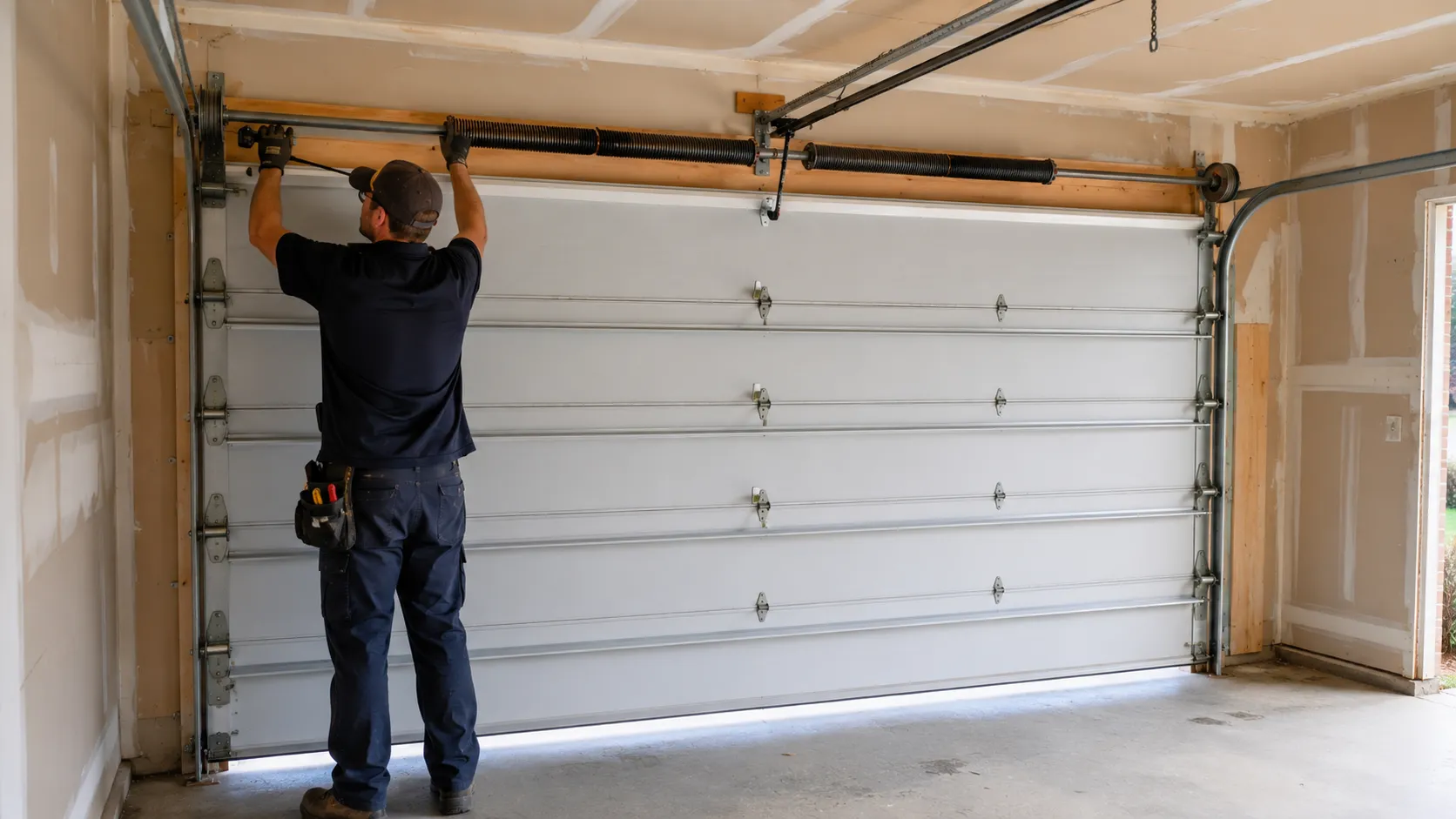
Across the broader service area, the housing stock runs newer - median build year sits around 2001, with most of the stock dating from the 2000s. Sun City West doesn't match that. Its homes were mostly built around 1990, which is over a decade older than the norm elsewhere in the territory. That gap matters because torsion springs, cable, and rollers all have a service life measured in cycles, not years, and a decade of extra cycles on top of already-old hardware is what pushes a marginal spring into a snapped one.

Layer on the climate. This is a severe-heat region, and heat is hard on lubricant and metal fatigue alike - grease breaks down faster, and springs that flex all day in a hot garage lose tension sooner than the same part would in a milder climate. A 1990-built door in this heat band has usually already seen one or two spring replacements by the time we get the call, which means the hardware underneath may not match what came stock on the door.

That combination - older stock, harder climate - is the reason a fix that works fine on a newer door in another part of the territory doesn't always translate directly here.

Why This Fails Locally

Symptoms

The Symptom

The complaint we hear most from this area is a door that drops fast in the last foot of travel, or one that the opener strains against right before it closes.

Tension loss symptom

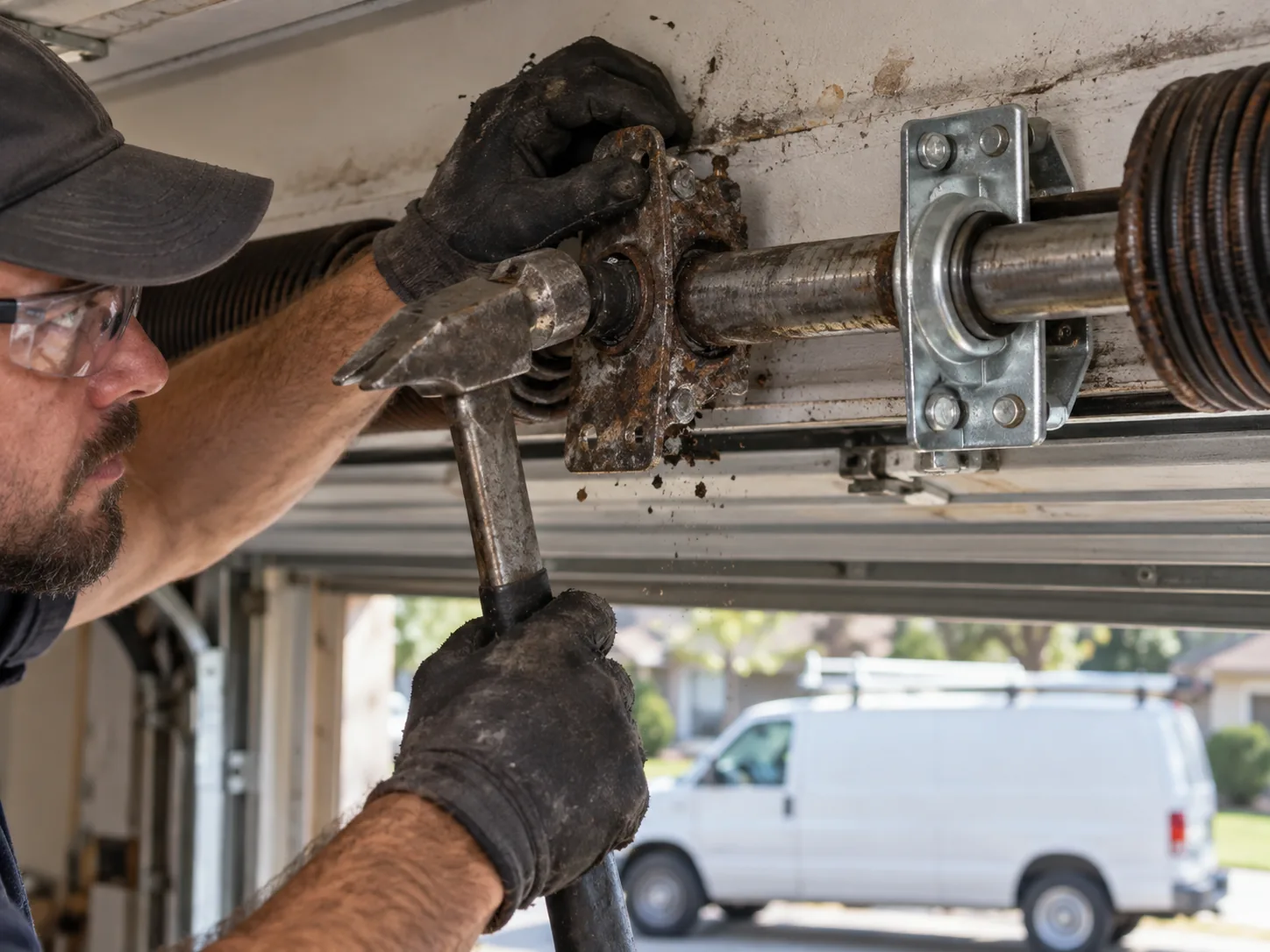
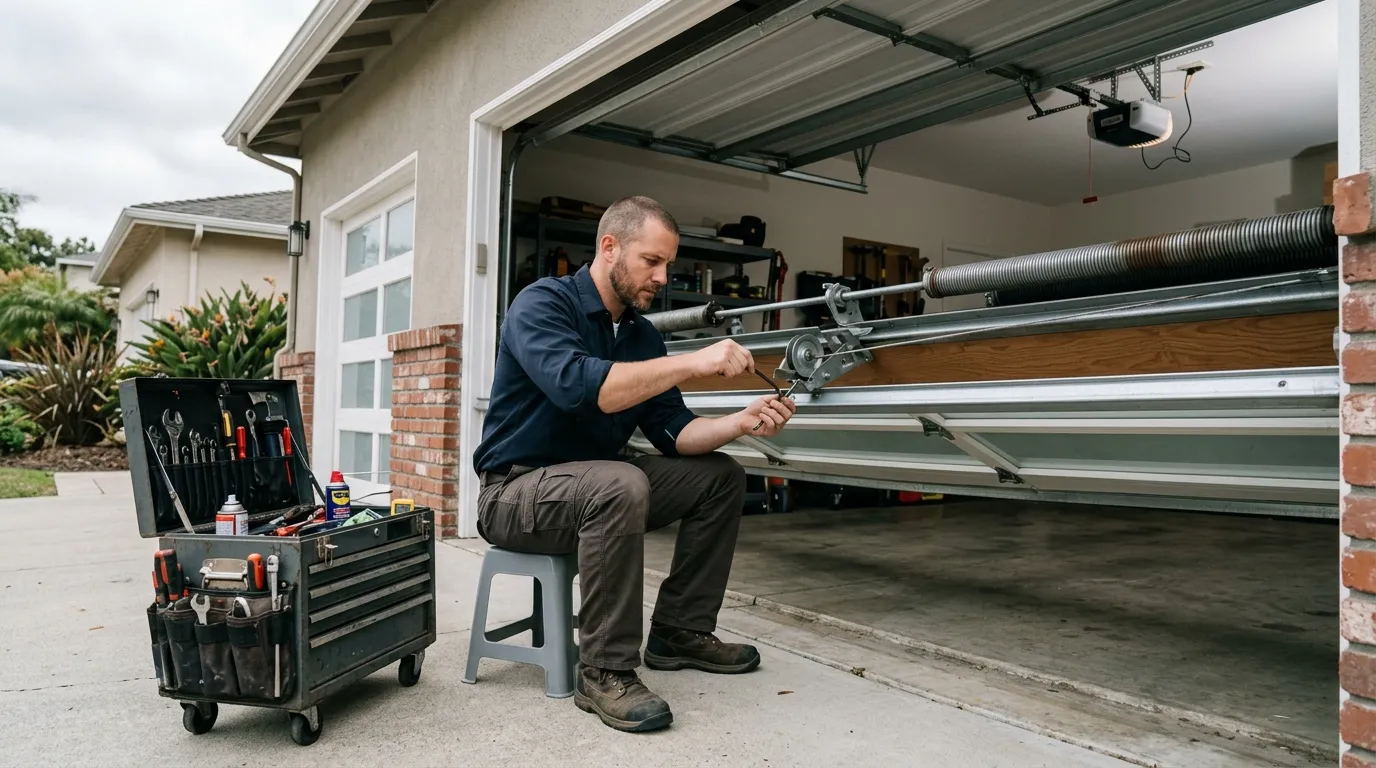
Both point to a torsion spring that's lost tension - not broken outright yet, but close. On a house built around 1990, that spring has likely been wound and rewound at least once already, and the hardware doing the winding (the cone, the shaft, the bearing plates) is old enough to have its own wear.

Drive gear grinding

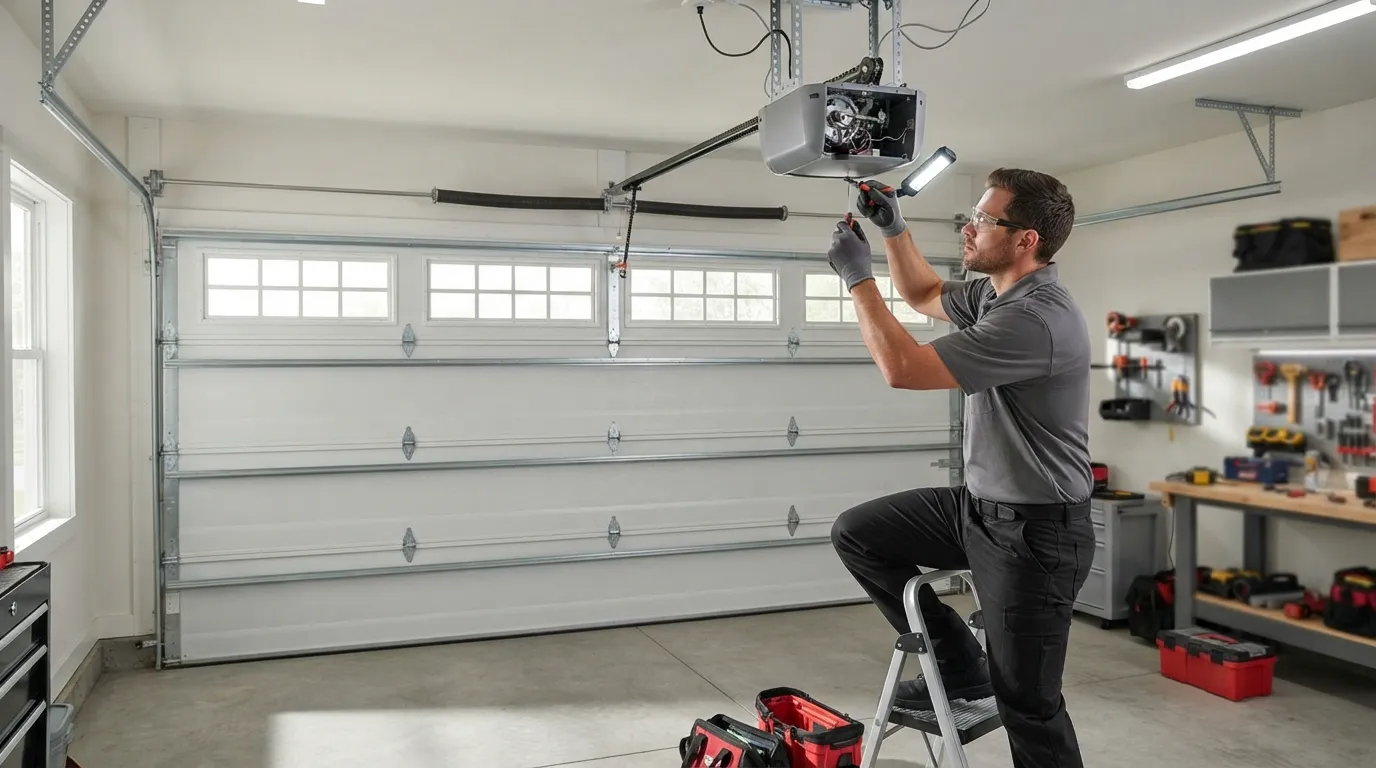
A second common symptom is a chain-drive opener that grinds or hesitates on a door that used to run quiet. Openers from this era of construction were often the first generation installed on the house, and by now the gear inside the unit is worn past the point where lubrication helps.

Mechanical wear verification

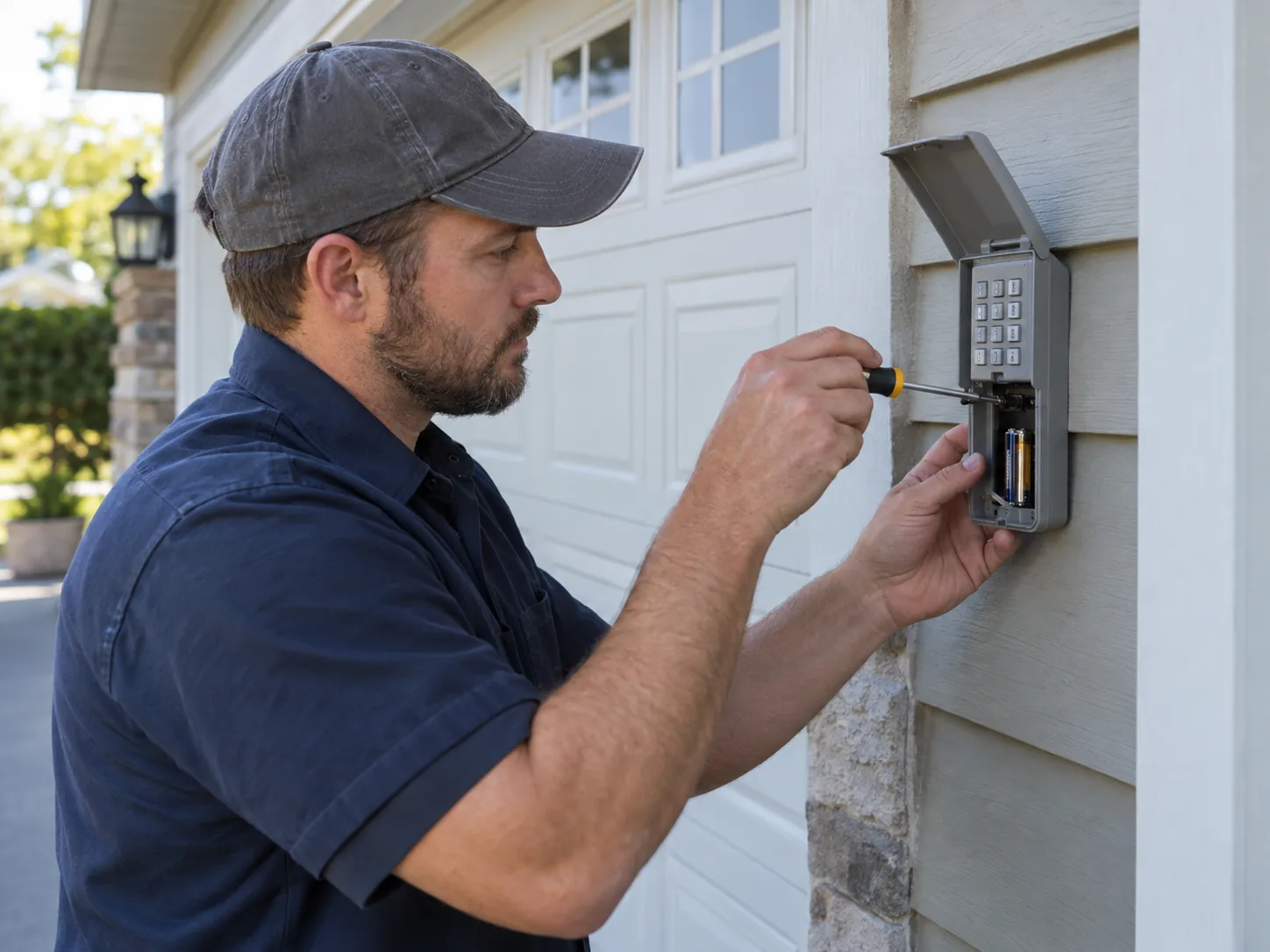
Homeowners sometimes chase this as an electrical problem - checking the wall switch, the remote batteries - when the actual fault is mechanical wear on a 30-year-old drive train. We don't guess at which one it is over the phone. Both symptoms look similar from a homeowner's side of the door, and the fix is different enough that it's worth confirming in person before quoting a repair.

Watch-outs

Where This Job Goes Sideways

The most common surprise on a 1990-era door is finding non-matching hardware. A spring gets replaced once over 30 years, sometimes by a previous owner, sometimes by whoever was available at the time, and it doesn't always match the door's actual weight and size.

Spring mismatch strain

That mismatch shows up as a door that's hard to lift by hand even with the opener disconnected - a sign the spring installed isn't doing the job it's supposed to. The second place things go sideways is the safety sensor setup. Older openers on houses from this build era sometimes have photo-eye sensors that were added after the original install, or wiring that's been patched more than once.

Safety sensor requirement

Current code requires working auto-reverse and photo-eye protection, and on an older system that can mean more than a quick swap - sometimes the opener itself needs replacing rather than repairing, once the internal parts and the safety wiring are both past their useful life.

Discontinued part honesty

Honest limitation: if the opener is original to a 1990 build, parts for it are often long discontinued. At that point we're not chasing a repair - we're replacing the unit, and we'll say so upfront rather than billing for parts that don't exist anymore.

What It Costs

Pricing

What It Costs

We're not going to put a number here that doesn't hold up once we're standing in front of the actual door - spring size, opener condition, and whether the track needs anything all change the number, and guessing at it over a description isn't fair to the homeowner or accurate to the job.

What we can say is that houses in this area, with a median household income around $63,792, tend to be repair-first rather than replace-first when the fix is straightforward - a spring swap or a roller replacement rather than a full door tear-out. That's usually the right call on a door that's structurally sound even if it's older. Where it stops making sense is when the opener is original and the parts to fix it don't exist anymore, or when the door panels themselves have degraded from three decades of heat cycling. At that point repair costs start closing in on replacement costs, and we'll tell you that directly rather than nickel-and-diming a dying unit.

Stocked Parts

On the truck

Stocked Parts

Because so much of this area's housing dates to around 1990, the truck carries torsion springs sized for the door dimensions common to that era's construction, along with rollers and cable stock that fit the older track profiles still on a lot of these garages. That's a deliberate stocking choice - showing up to a 14-mile call without the right spring size means a second trip, and a second trip means the homeowner waits longer for the same fix.

What we don't carry on the truck is opener-specific circuit boards for discontinued 1990s models. Those parts, when they still exist at all, come from the manufacturer or a secondary supplier, and lead time on them isn't something we control. If your opener falls into that category, we'll tell you at the door rather than after we've already started the job, and we'll walk through whether a modern replacement opener makes more sense than waiting on a part that may take weeks to source.

Questions

Common questions

How long does it take for someone to get out to Sun City West?

We work out of Glendale, and Sun City West is about 14 miles from the shop. We don't operate a branch out here, so every call involves that drive. We can give you a window when you call rather than a fixed number, since it depends on the day's schedule.

Why does my 1990s garage door need a different spring than my neighbor's newer one?

Door weight, track style, and spring cone sizing all shifted over the decades. A door built around 1990 often uses a different spring size than one built in the 2000s, even on a similar-looking house. We measure the actual door rather than assuming based on the build year alone.

Is it worth repairing an opener this old, or should I replace it?

If the opener is original to a house built around 1990, parts are often discontinued, and that pushes the math toward replacement. We check the unit in person before recommending either way - some of these openers still have serviceable gear inside, but many don't.

Does the desert heat actually shorten the life of garage door springs?

Yes. This area sits in a severe-heat climate band, and that heat accelerates lubricant breakdown and metal fatigue in torsion springs. A spring that might last longer in a milder climate tends to lose tension sooner here, especially on hardware that's already 30 years old.

Ready when you are

Need a garage door sorted in Glendale?

Glendale Garage Door Co repairs and installs garage doors, springs and openers in Glendale, AZ and the surrounding area.

Certified Experts Quality Assured
CallGet a quote